Cat Sitting Positions and Their Meanings: How to Understand Your Cat’s Feelings ?
If you’re raising a cat for the first time, you’ve probably spent time watching your cat change positions constantly and wondered what those movements actually mean. The truth is that understanding cat sitting positions and their meaningscan help you better understand your cat’s emotions, comfort level, and even health condition.
Cats communicate in many silent ways, including their body posture, tail movement, ear position, and even the way they sleep. Sometimes your cat feels relaxed and safe, while other times they may be stressed, upset, or even sick — and all of this can appear through their daily behavior.
In this article, we’ll explain the most common cat sitting positions and their meanings, how to recognize normal versus concerning behaviors, and when you should contact a veterinarian or an online veterinary clinic for help.
Why Is It Important to Understand Cat Sitting Positions?
Many people think cats are mysterious and hard to understand, but cats actually communicate very clearly if you pay attention to the details.
Understanding cat sitting positions and their meanings helps you:
- Know whether your cat feels relaxed or stressed
- Detect health problems early
- Improve your bond with your cat
- Understand your cat’s emotional needs
- Know when to contact a veterinarian
Sometimes illnesses begin with small posture or movement changes before obvious symptoms appear.
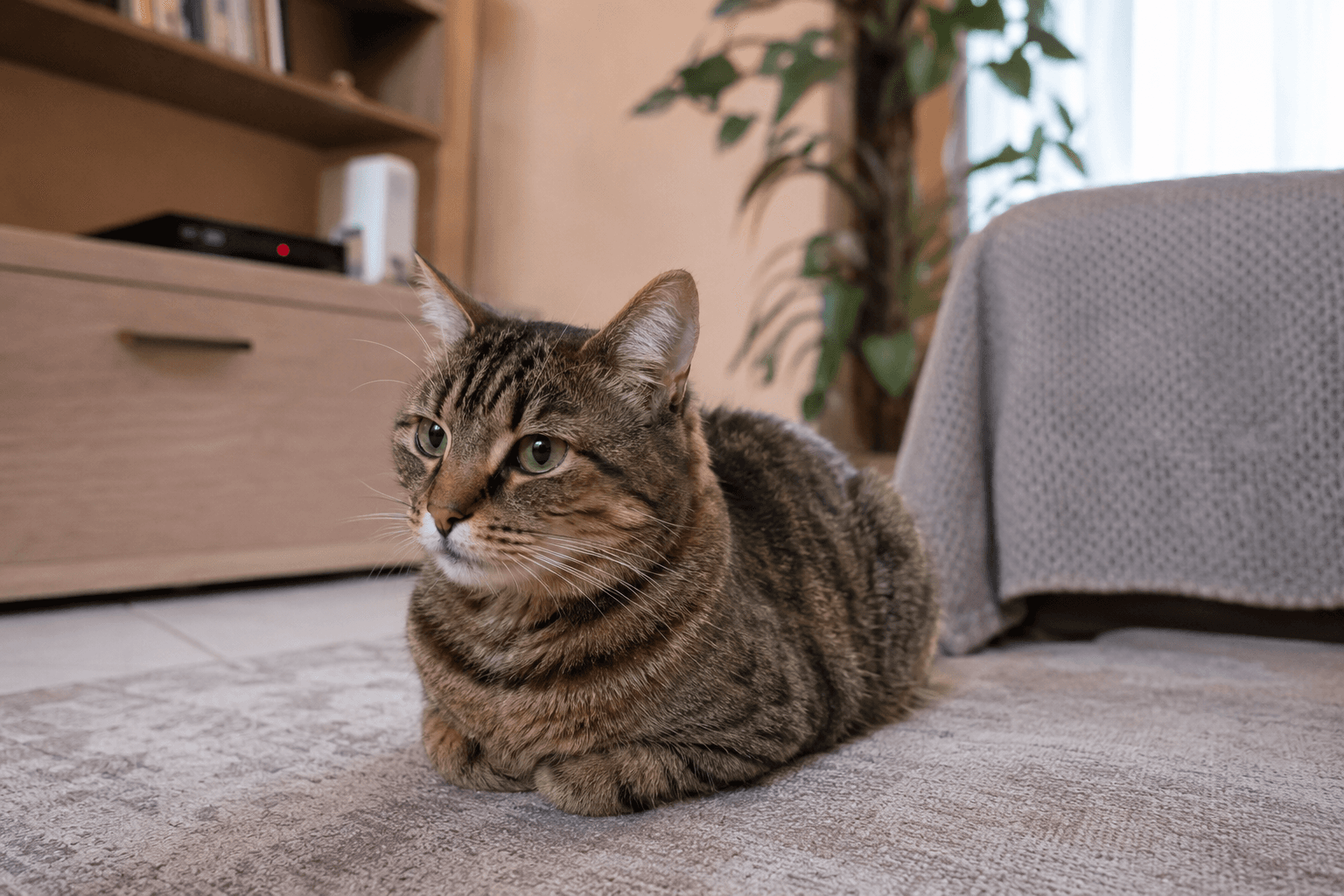
The Loaf Position: When Cats Hide Their Paws
One of the most famous positions is the “loaf” position, where the cat tucks its paws under its body.
What Does It Mean?
This position usually means your cat:
- Feels safe
- Is relaxed
- Does not feel threatened
- Is comfortable in the environment
This is one of the most common normal positions for indoor cats.
However, if your cat stays in this position constantly with low appetite or lethargy, it may be a good idea to contact an online veterinary clinic.
When Your Cat Sleeps on Its Back
If your cat sleeps on its back and exposes its belly, this usually means high levels of trust.
Why Is This Important?
A cat’s belly is a vulnerable area, so cats usually expose it only when they feel completely safe.
This directly connects with how cats sleep, since sleeping positions often reflect emotional comfort.
However, not every cat exposing its belly wants to be touched. Some simply enjoy sleeping that way.
How Cats Sleep and What It Says About Their Mood
Many pet owners notice that how cats sleep changes from day to day. In reality, sleeping behavior can reveal many important details about your cat’s emotional and physical condition.
Curled-Up Sleeping
When a cat sleeps curled into a ball, it may mean:
- They’re trying to stay warm
- They feel slightly cautious
- They want comfort while protecting themselves
Fully Stretched Sleeping
This is usually a sign of confidence and relaxation.
Sleeping in Hidden Places
If your cat suddenly hides more often or sleeps in unusual hidden spots, it may indicate stress or illness.
That’s why monitoring cat sleeping habits daily helps you notice changes early.
Positions That May Indicate Stress or Sadness
Some body positions clearly show discomfort or stress.
Sitting With the Tail Wrapped Around the Body
This can mean the cat feels uncomfortable or wants space.
Ears Positioned Backward
If the ears are flattened backward with sharp eye contact, your cat may be annoyed or stressed.
Sleeping Much More Than Usual
Sudden changes in cat sleeping habits may be linked to emotional or physical issues.
This is why understanding the reasons why cats get upset is very important.
Common Reasons Why Cats Get Upset
Sometimes cats become upset over things humans consider very simple.
Changes in the Environment
Cats love routine, so sudden changes in furniture or surroundings may stress them.
Loud Sounds
Shouting or loud noises can make cats anxious.
Lack of Attention
Some cats need daily interaction and affection.
Introducing a New Pet
One of the biggest reasons why cats get upset is adding another pet to the house.
Changing Food or Litter
Even small changes may affect your cat’s mood and comfort.
Understanding the reasons why cats get upset helps you solve problems before they become worse.
When Sitting Positions May Indicate Health Problems
Not every posture change means illness, but some signs deserve attention.
Constantly Arched Back
If your cat walks or sits with an arched back most of the time, it may indicate pain.
Difficulty Moving
Especially if the cat avoids jumping or moves slowly.
Excessive Sleeping
Major changes in cat sleeping habits can sometimes indicate fever or illness.
Sitting While Breathing Quickly
This situation requires immediate help from a veterinarian.
When Should You Contact a Veterinarian?
Many cat owners wonder whether a situation truly requires medical attention.
You should contact a veterinarian if you notice:
- Loss of appetite
- Severe lethargy
- Sudden behavior changes
- Breathing difficulties
- Frequent vomiting
- Isolation
- Unusual meowing
- Pain during movement
It’s always better not to wait too long if your cat is acting differently than usual.

How Can an Online Veterinary Clinic Help?
Today, an online veterinary clinic is one of the easiest solutions for pet owners, especially for quick evaluations without the stress of transportation and waiting rooms.
Easy Communication With the Doctor
You can speak directly with a veterinarian through calls or chat.
Sending Photos and Videos
If you notice unusual sleeping or sitting positions, you can send videos for quick evaluation.
Saving Time
Instead of driving to a clinic, you can get advice directly from home.
Electronic Prescriptions
Some simple cases only require medication recommendations that can be sent electronically.
Follow-Up Support
Many online services provide follow-up chat support for up to a week after the consultation.
Is It Normal for Cats to Sleep Differently?
Yes, it’s completely normal for how cats sleep to change depending on:
- Weather
- Age
- Activity level
- Emotional state
- Feeling of safety
However, sudden changes in cat sleeping habits should always be monitored carefully.
How to Help Your Cat Feel Comfortable
A cat’s emotional comfort directly affects behavior and body posture.
Provide a Quiet Space
Cats love calm and safe environments.
Don’t Force Playtime
Some cats need personal space occasionally.
Keep a Stable Routine
Consistent feeding and play schedules help cats feel secure.
Watch for Reasons Why Cats Get Upset
If behavior changes suddenly, try identifying the cause instead of punishing your cat.
The Relationship Between Sitting Positions and Physical Health
Many people only focus on food and activity, but posture can also reveal health issues.
Lifting One Paw While Sitting
This may indicate injury or pain.
Sleeping in One Place Constantly
Sick cats often reduce movement significantly.
Avoiding Jumping
This may indicate joint pain or physical discomfort.
In these cases, consulting a veterinarian is recommended.
Common Mistakes Cat Owners Make
Ignoring Small Changes
Many problems begin with small changes in cat sitting positions and their meanings.
Disturbing Cats While Sleeping
Cats need proper rest, and constant interruption can cause stress.
Sudden Environmental Changes
This is one of the most common reasons why cats get upset.
Relying on Random Internet Advice
It’s always better to contact a trusted online veterinary clinic when you suspect a problem.
How to Know Your Cat Feels Comfortable Around You
Some simple signs show your cat trusts you:
- Sleeping near you
- Showing their belly
- Slow blinking
- Playing comfortably
- Sitting close to you
All these behaviors connect directly to understanding cat sitting positions and their meanings.
When Is an Online Veterinary Clinic the Best Option?
An online veterinary clinic is very useful when you need:
- Quick consultation
- Initial evaluation
- Follow-up care
- Advice about sleeping or behavior
- Help determining whether the situation is serious
Many pet owners now rely on online services to better understand unusual cat sleeping habits without unnecessary clinic visits.
How to Distinguish Between Normal and Concerning Positions
New cat owners sometimes panic over every unusual movement, but not every posture indicates a problem.
Normal Positions Usually Include:
- Relaxed body posture
- Smooth movement
- Normal eating and drinking
- Interaction and playfulness
- Changing sleeping spots regularly
However, if your cat avoids movement or remains in one position for a long time, especially alongside changes in cat sleeping habits, you should monitor them carefully.
How the Environment Affects Cat Sitting Positions
The environment strongly affects a cat’s behavior.
Hot and Cold Weather
In cold weather, cats curl up more often to preserve body heat. This is part of how cats sleep naturally.
During warmer weather, cats usually stretch out fully to cool themselves down.
Guests or Children
Some cats become stressed by loud activity or noise, which can become one of the common reasons why cats get upset.
Changing Food or Litter Locations
Even small environmental changes may alter sleeping or sitting behavior.
Signs of Emotional Comfort in Cats
If your cat:
- Sleeps comfortably around you
- Stretches out naturally
- Slow blinks at you
- Sits calmly nearby
- Plays normally
These are excellent signs that your cat feels emotionally secure and safe.
Understanding cat sitting positions and their meanings helps strengthen your relationship with your cat over time.
How Can an Online Veterinary Clinic Help You Understand Your Cat’s Behavior?
Sometimes owners struggle to know whether a behavior is normal or concerning.
With an online veterinary clinic, you can:
- Send videos of unusual behavior
- Ask about sleeping changes
- Discuss strange body positions
- Get fast evaluation from a veterinarian
The biggest advantage is being able to communicate from home without stressing your cat through transportation or long clinic visits.
FAQ – Frequently Asked Questions
Do cat sitting positions really reflect emotions?
Yes, cats communicate relaxation, fear, stress, and comfort through body language and posture.
Is excessive sleeping normal for cats?
Yes, but sudden major changes in cat sleeping habits should be monitored.
What are the most common reasons why cats get upset?
Environmental changes, loud noises, and introducing new pets are common causes.
When should I contact a veterinarian?
If you notice pain, breathing issues, lethargy, or major behavioral changes.
Are online veterinary clinics actually useful?
Yes, especially for quick consultations, sending photos and videos, and follow-up care.
Conclusion
Understanding cat sitting positions and their meanings helps you build a stronger relationship with your cat and notice health or emotional problems early. Whether it’s related to how cats sleep, unusual cat sleeping habits, or changes in daily behavior, your cat is always communicating something through body language.
By understanding the common reasons why cats get upset and knowing when to contact a veterinarian or an online veterinary clinic, you can provide a healthier and more comfortable life for your cat.
Never ignore sudden behavior or sleeping changes, because early attention always makes treatment easier — especially with modern online veterinary services that allow you to get professional help quickly from home.