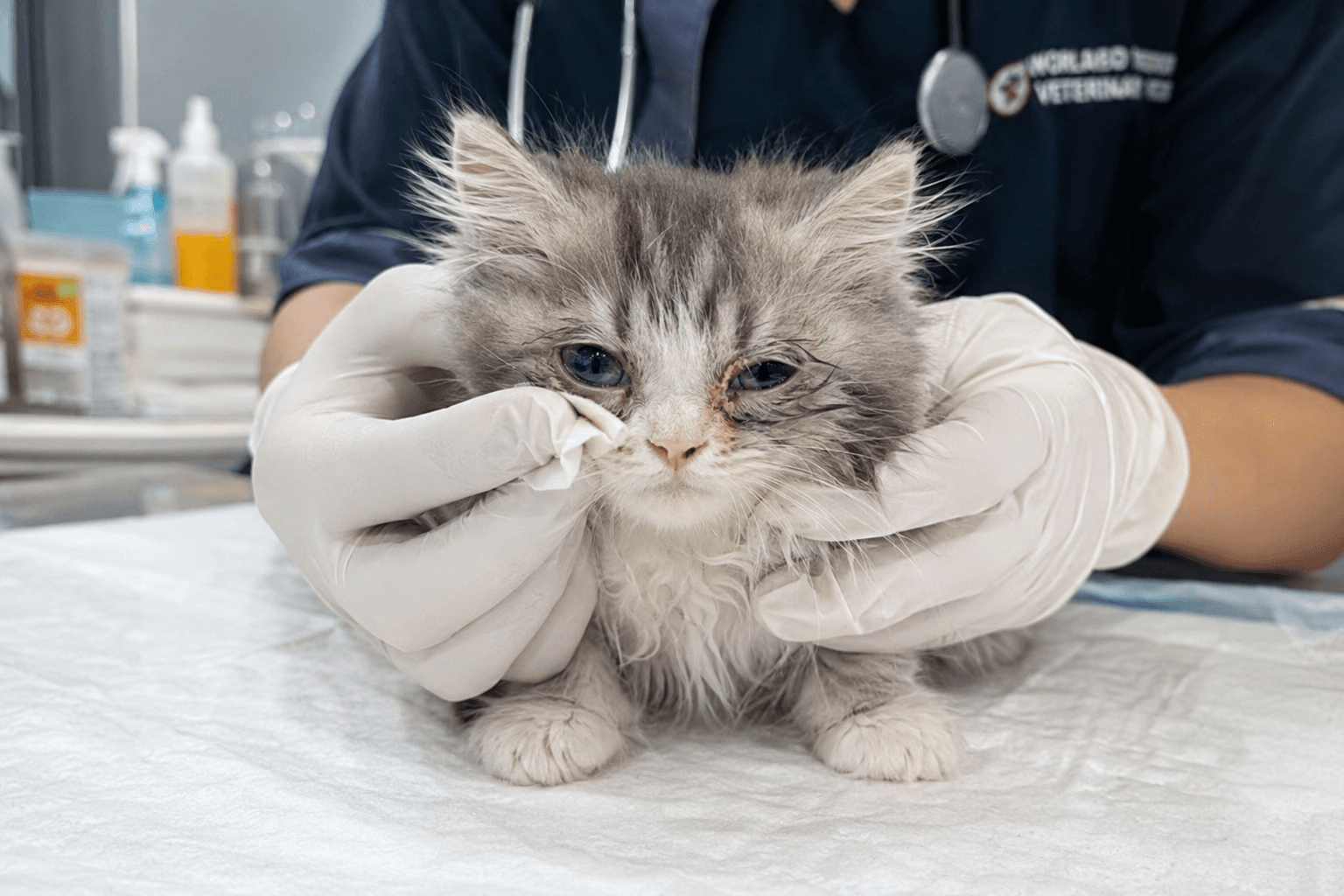
Kitten Diseases: Your Complete Guide to Symptoms, Treatment, and Early Care
If you’ve recently adopted a kitten, one of the first things that can worry you is noticing unusual symptoms. Sometimes their eyes start tearing up, sometimes they suddenly stop eating, or they become weak and develop diarrhea. Many first-time pet owners feel confused and unsure whether the condition is normal or requires immediate attention. That’s where learning about common kitten diseases becomes very important.
Kittens need extra care because their immune systems are still weak compared to adult cats. Even small mistakes in feeding, hygiene, or daily care can lead to bigger health problems later. That’s why understanding early symptoms and knowing when to contact a veterinarian or a trusted cat clinic can make a huge difference.
In this article, we’ll explain the most common health problems in kittens, practical treatment tips, when the situation becomes dangerous, and how online veterinary clinics can help you save time and get fast professional advice from home.
Why Do Kittens Get Sick Easily?
Most kitten diseases happen because of weak immunity, incomplete vaccinations, poor hygiene, or exposure to infections from other animals. Young kittens are highly sensitive to environmental changes, food transitions, and stress.
Some of the most common causes include:
- Missing vaccinations
- Sudden food changes
- Contact with infected cats
- Poor hygiene
- Parasites and fungal infections
- Stress and anxiety
- Extreme cold or heat
That’s why monitoring your kitten daily is extremely important. Early detection often makes treatment much easier.
How Can You Tell If Your Kitten Is Sick?
Cats usually hide pain well, but there are several warning signs you should never ignore.
Common Signs of Illness
- Loss of appetite
- Excessive sleeping
- Vomiting or diarrhea
- Eye or nose discharge
- Constant itching
- Hair loss
- Breathing difficulties
- Weak movement
- Unusual meowing
If your kitten shows multiple symptoms at once, it’s best to seek veterinary advice.
Cat Eye Discharge Treatment: What You Need to Know
One of the most common concerns among cat owners is eye discharge, especially in kittens. Sometimes it’s harmless, but in other cases it may indicate infection or inflammation.
Causes of Eye Discharge in Cats
- Bacterial infections
- Allergies
- Dust or foreign particles
- Cat flu or colds
- Weak immunity
Many people search for cat eye discharge treatment without understanding the actual cause, but proper treatment depends entirely on the diagnosis.
How to Handle It at Home
Clean the Eye Gently
Use a soft cotton pad with warm water and gently wipe away discharge.
Avoid Human Eye Drops
Some human medications can seriously harm cats.
Keep the Environment Clean
Dust and dirt can worsen irritation.
Monitor Symptoms Carefully
If the discharge becomes yellow or green, or if the kitten refuses to open its eye, contact a veterinarian or cat clinicimmediately.
One major advantage of online veterinary care is the ability to send clear photos of your kitten’s eye to a vet for fast evaluation without leaving home.
Cat Diarrhea Treatment and When It Becomes Dangerous
Diarrhea is one of the most common problems in kittens. Sometimes it’s caused by simple food changes, but other cases can become serious very quickly.
Causes of Diarrhea in Kittens
- Sudden diet changes
- Parasites
- Viral infections
- Eating unsuitable food
- Poisoning
- Food allergies
Many owners look for fast cat diarrhea treatment, but identifying the cause is always the first step.
Tips to Help Your Kitten Recover
Keep Fresh Water Available
Diarrhea can quickly cause dehydration in kittens.
Avoid Heavy Foods
Feed light meals designed for kittens.
Watch Stool Color
Blood or black stool can indicate a serious condition.
Monitor Energy Levels
If your kitten becomes weak or stops eating, seek veterinary help immediately.
Online veterinary consultations make things easier because you can share videos and symptoms with a veterinarian and even receive an electronic prescription if needed.
Cat Fungal Infection Treatment and Prevention
Fungal infections are among the most annoying kitten diseases because they spread quickly and can sometimes transfer to humans.
Symptoms of Fungal Infections in Cats
- Bald patches
- Red skin
- Dry flaky areas
- Constant scratching
- Circular lesions
If you notice these symptoms, starting proper cat fungal infection treatment early is very important.
Common Treatment Methods
- Medicated shampoos or creams
- Cleaning the environment regularly
- Temporary isolation from other pets
- Disinfecting bedding and tools
Some severe cases require oral medication, which is why professional veterinary guidance is important.
Online vet clinics allow you to send clear photos of skin issues so the veterinarian can determine whether the condition is mild or requires stronger treatment.
The Most Common Kitten Diseases
There are many health problems that affect kittens, and some require urgent medical care.
Cat Colds
Symptoms may include:
- Sneezing
- Coughing
- Fatigue
- Watery eyes
Parasites
Fleas and worms often cause:
- Weight loss
- Itching
- Weak appetite
Digestive Problems
These may lead to:
- Vomiting
- Diarrhea
- Weight loss
Skin Infections
These may result from allergies, fungal infections, or poor nutrition.
How Proper Nutrition Protects Kittens
Good nutrition plays a major role in preventing many kitten diseases. Some owners feed kittens random household foods, which may lead to digestive problems or nutritional deficiencies.
What Do Kittens Need?
- High-quality protein
- Vitamins and minerals
- Constant access to clean water
- Food specifically designed for kittens
Foods to Avoid
- Spicy foods
- Chocolate
- Onion and garlic
- Excessive milk
Poor nutrition can weaken immunity and increase the risk of infections and digestive problems.
Creating a Healthy Environment for Your Kitten
A clean and healthy environment helps reduce the spread of disease.
Important Things to Focus On
Litter Box Hygiene
Clean it daily to prevent bacterial growth.
Comfortable Sleeping Area
Provide a warm, quiet place for rest.
Cleaning Toys and Accessories
Regularly disinfect shared items, especially if you own multiple pets.
Proper Ventilation
Fresh air reduces infection risks.
If one cat becomes sick, isolate its belongings to avoid spreading illness.
When Does the Situation Become Serious?
Some symptoms should never be ignored, especially in young kittens.
Dangerous Warning Signs
- Difficulty breathing
- Refusing food for over 24 hours
- Severe lethargy
- Bleeding
- Seizures
- High fever
- Persistent diarrhea with dehydration
If you notice any of these symptoms, contact a veterinarian or cat clinic immediately.
How Can an Online Cat Clinic Help?
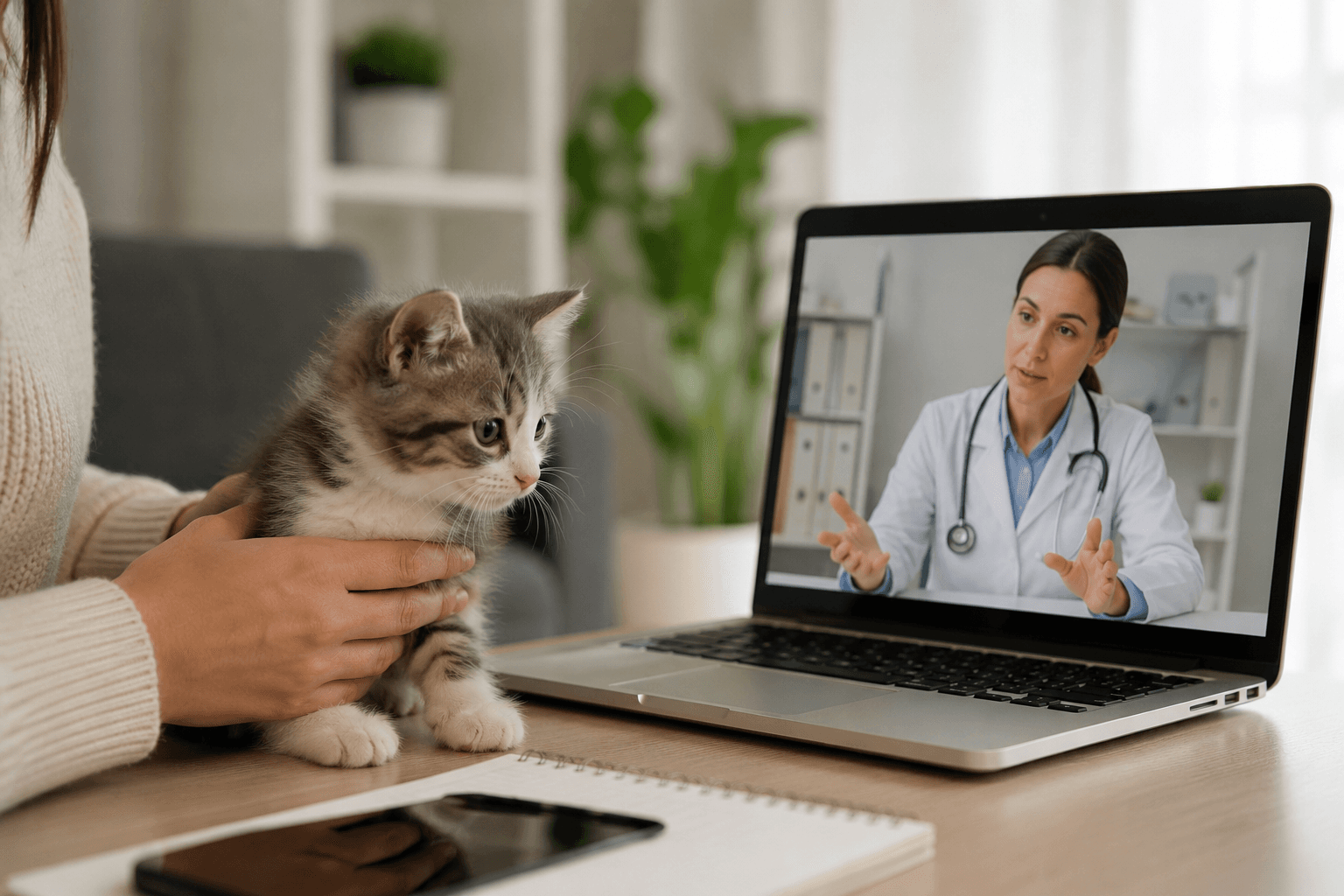
Many pet owners now rely on online veterinary services because they are fast, convenient, and stress-free.
Direct Communication With a Veterinarian
You can speak directly with a vet through a video or voice consultation.
Sending Photos and Videos
This is especially useful for:
- Cat eye discharge treatment
- Cat fungal infection treatment
- Skin infections
- Wound monitoring
Electronic Prescriptions
If medication is needed, the veterinarian can provide an online prescription.
One-Week Follow-Up Support
Some clinics provide chat-based follow-up after the consultation to monitor recovery progress.
Saving Time and Reducing Stress
This is especially useful for anxious kittens or owners without a nearby cat clinic.
How to Protect Your Kitten From Diseases
Prevention is always better than treatment, especially with kitten diseases that can worsen quickly.
Helpful Prevention Tips
Proper Nutrition
Choose balanced food made specifically for kittens.
Vaccinations
Never delay essential vaccines.
Cleanliness
Regularly clean feeding and sleeping areas.
Daily Monitoring
Watch for changes in appetite or behavior.
Isolation During Illness
Separate sick cats from healthy pets temporarily.
Common Mistakes First-Time Cat Owners Make
Using Human Medication
Many human medicines are dangerous for cats.
Ignoring Mild Symptoms
Small problems can quickly become serious.
Sudden Food Changes
Rapid food changes often trigger digestive issues.
Following Random Internet Advice
Every case is different and requires proper evaluation.
That’s why consulting a professional veterinarian or trusted cat clinic is always safer.
When Should You Contact a Veterinarian Immediately?
Seek urgent veterinary care if your kitten experiences:
- Difficulty moving
- Breathing problems
- Repeated vomiting
- Loss of consciousness
- Severe dehydration
- Bleeding
- Seizures
- Loss of balance
These symptoms may indicate serious medical emergencies.
Can Online Veterinary Clinics Handle Every Case?
Not every condition can be treated online, but many mild and moderate cases benefit greatly from fast professional guidance.
Online consultations are especially useful for:
- Cat eye discharge treatment
- Monitoring cat fungal infection treatment
- Cat diarrhea treatment
- Food and nutrition questions
- Recovery follow-ups
For severe emergencies, the veterinarian may recommend visiting a physical cat clinic immediately.
FAQ — Frequently Asked Questions
Are all kitten diseases dangerous?
No, many conditions are mild when treated early. Delays are usually what make problems worse.
How long should normal diarrhea last in kittens?
Mild diarrhea may improve within a day, but persistent symptoms require veterinary attention.
Can fungal infections be treated at home?
Some mild cases can improve at home, but professional diagnosis is still recommended.
When is eye discharge considered serious?
If the discharge becomes yellow or green, or the kitten cannot open its eye, immediate medical attention is needed.
Are online veterinary clinics actually helpful?
Yes, especially for quick consultations, follow-ups, and sharing photos or videos with veterinarians.
Conclusion
Early care is the most important step in protecting your pet from serious health problems. Many kitten diseases begin with very small symptoms, but quick action and proper treatment can make a huge difference.
Whether your kitten needs cat eye discharge treatment, cat diarrhea treatment, or cat fungal infection treatment, avoid relying on random advice or guesswork. Professional veterinary guidance gives you peace of mind and helps protect your kitten from complications.
With modern online veterinary services, contacting a trusted cat clinic has become easier than ever. You can speak with a veterinarian, send photos and videos, receive electronic prescriptions, and even get follow-up support without leaving your home.
If you notice unusual symptoms in your kitten, don’t wait for the condition to become worse. Fast action and proper veterinary advice can protect your kitten’s health from the very beginning.