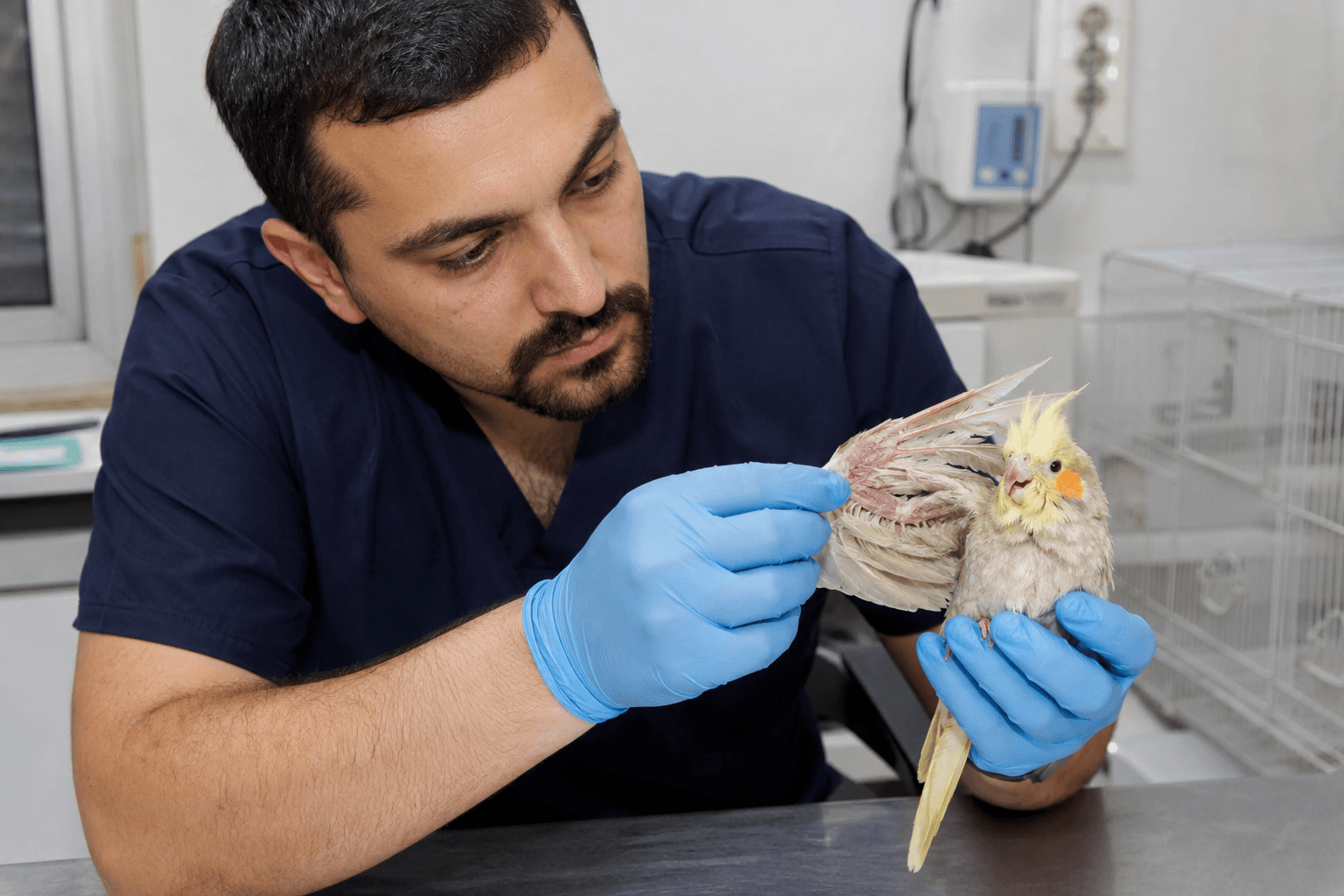
Why Is Your Bird Losing Feathers? — A Complete Guide to Every Possible Cause
There's a moment every bird owner knows — you walk up to the cage, glance down, and freeze at the sight of a small pile of feathers on the cage floor. Your heart sinks just a little. You ask yourself: "Is this normal? Is my bird okay?"
Feathers are far more than decoration. They are your bird's armor against the cold, their primary means of communication with the world, and a direct mirror of their internal health. That's why the proper treatment for feather loss in birds begins first with understanding why the feathers are falling — because the wrong treatment can make things significantly worse instead of better.
In this comprehensive guide, you'll find everything you need: the causes, the warning signs, step-by-step treatment for feather loss in birds at home, and the most important prevention tips — all in clear, straightforward language, as if we were sitting right beside you in front of your beloved bird's cage.
🍂 Natural Molting — When Feathers Renew Themselves
Think of your bird's feathers exactly like a worn-out winter coat — at a certain point in the season, replacement is simply necessary.
Natural molting is a physiological process that all birds go through, during which they shed old feathers to make way for a fresh, healthier set. It typically occurs once or twice a year and is often linked to seasonal changes or shifting daylight hours.
Signs that indicate it's simply natural molting:
- 🔍 Feathers fall out gradually and symmetrically across the entire body
- 🌱 You can see "pin feathers" — small, thin quills growing immediately in place of shed ones
- 😊 Your bird is active, eating, drinking, and behaving completely normally
- ⏱️ The entire process wraps up within a few weeks (usually 4 to 8 weeks)
💡 Golden tip: During the molting period, offer your bird a diet richer in protein and amino acids — new feathers need proper fuel to grow in strong and vibrant.
🥗 Nutritional Deficiencies — The Silent Enemy Stealing Your Bird's Beauty
Did you know that feathers are composed of approximately 90% protein (keratin)?
This means any imbalance in nutrition will reflect directly on the quality and density of your bird's plumage. The problem is that many owners believe seeds alone are sufficient — a common mistake that the bird pays for with its feathers and its health.
The most common nutritional deficiencies that cause feather loss:
- Protein deficiency: Feathers become brittle, break, and fall out before their time. Think of it like building a wall with weak bricks — it will crumble at the first gust of wind.
- Vitamin A deficiency: Weakens the feather follicles and causes feathers to look ragged and dull in color.
- Calcium and Vitamin D3 deficiency: Affects the structural integrity of feathers themselves, making them fragile.
- Omega-3 deficiency: Strips feathers of their natural shine and flexibility.
- Seeds-only diet: Like feeding a child nothing but bread for their entire life — the body quietly suffers over time.
What your bird should be eating every day:
- 🥦 Fresh vegetables: spinach, carrots, bell peppers
- 🍳 Clean protein: hard-boiled eggs, small dried fish, dried insects (for certain species)
- 🌾 Grains and nuts in moderate amounts
- 💊 Bird-specific supplements under veterinary guidance
🦟 Mites and Parasites — Invaders You Can't See With the Naked Eye
This is one of the most frustrating causes of feather loss — because the culprit is completely hidden.
External feather parasites such as feather mites and feather lice live on the bird's skin and feed on feathers and skin tissue. The bird experiences relentless itching and begins plucking and scratching with its beak in a desperate attempt to get rid of them.
How to tell if parasites are the problem:
- 🔴 The bird constantly scratches its body with its beak or rubs itself against cage bars
- 🔴 Feathers appear broken or frayed at the tips (rather than falling out whole)
- 🔴 You notice tiny moving dots or fine powder at the bottom of the cage
- 🔴 The bird seems more restless and agitated at night (feather mites are nocturnal)
💡 Important tip: You may need a small flashlight and magnifying glass to spot these microscopic creatures on the bird's skin at the base of its feathers.
Internal parasites such as worms also affect the absorption of nutrients, weakening feathers from the inside until they fall out.
🦠 Viral and Bacterial Diseases — When Feather Loss Is Just a Symptom
Sometimes feather loss isn't the real problem at all — it's merely a symptom of something deeper going on beneath the surface.
The most notable diseases that cause feather loss:
🔸 Psittacine Beak and Feather Disease (PBFD):
This is the most dangerous condition for parrots. This virus attacks the feather follicles themselves — feathers don't just fall out, they grow back deformed and no healthy replacement feathers ever develop. There is currently no cure, but early diagnosis helps in managing the condition effectively.
🔸 Newcastle Disease and Avian Influenza:
In advanced stages, these diseases affect skin and feather health, accompanied by obvious respiratory and digestive symptoms.
🔸 Bacterial Skin Infections:
These directly infect feather follicles, causing redness and skin ulceration in the affected area followed by localized feather loss.
🔸 Psittacosis (Chlamydiosis):
Primarily affects the respiratory and digestive systems, and in advanced stages weakens the bird's overall condition, causing a noticeable decline in feather quality.
⚠️ If you notice feather loss accompanied by other symptoms — labored breathing, discharge from the beak, severe lethargy, or loss of appetite — this is a medical emergency requiring immediate veterinary attention.
Through SCOTY, you can describe these symptoms and send photos and videos to the veterinarian before the session begins, so they arrive fully prepared with an accurate assessment from the very first minute.
🧠 Psychological Stress and Feather Plucking — When a Bird Hurts Itself
This cause is the most misunderstood among bird owners — and many are genuinely shocked to learn that their bird is experiencing psychological distress.
Feather plucking (also called Feather Destructive Behavior) is a self-directed behavior where the bird pulls out its own feathers with its beak due to chronic stress, boredom, loneliness, or anxiety. Think of it exactly like nail-biting in humans — a physical outlet for internal pressure that has nowhere else to go.
The most common psychological triggers:
- 🏠 Sudden environmental changes (moving homes, relocating the cage, increased noise)
- 👤 Extended loneliness and insufficient interaction with the owner or other birds
- 😨 Presence of predatory animals nearby (dogs, cats) that constantly frighten the bird
- 💤 Disrupted sleep and light cycles (such as continuous artificial light at night)
- 🔁 Monotonous routine and a complete absence of environmental enrichment
How to distinguish feather plucking from medical feather loss:
The defining difference: in feather plucking, the bird is doing it to itself — you'll catch it gripping a feather in its beak and pulling. The loss typically occurs in areas the beak can reach (chest, back, wings), while the head remains perfectly intact because the bird simply cannot reach it.
For a comprehensive behavioral treatment plan, book a consultation with a veterinary specialist in avian medicine — early intervention makes an enormous difference before the habit becomes a chronic, deeply ingrained behavior that's nearly impossible to break.
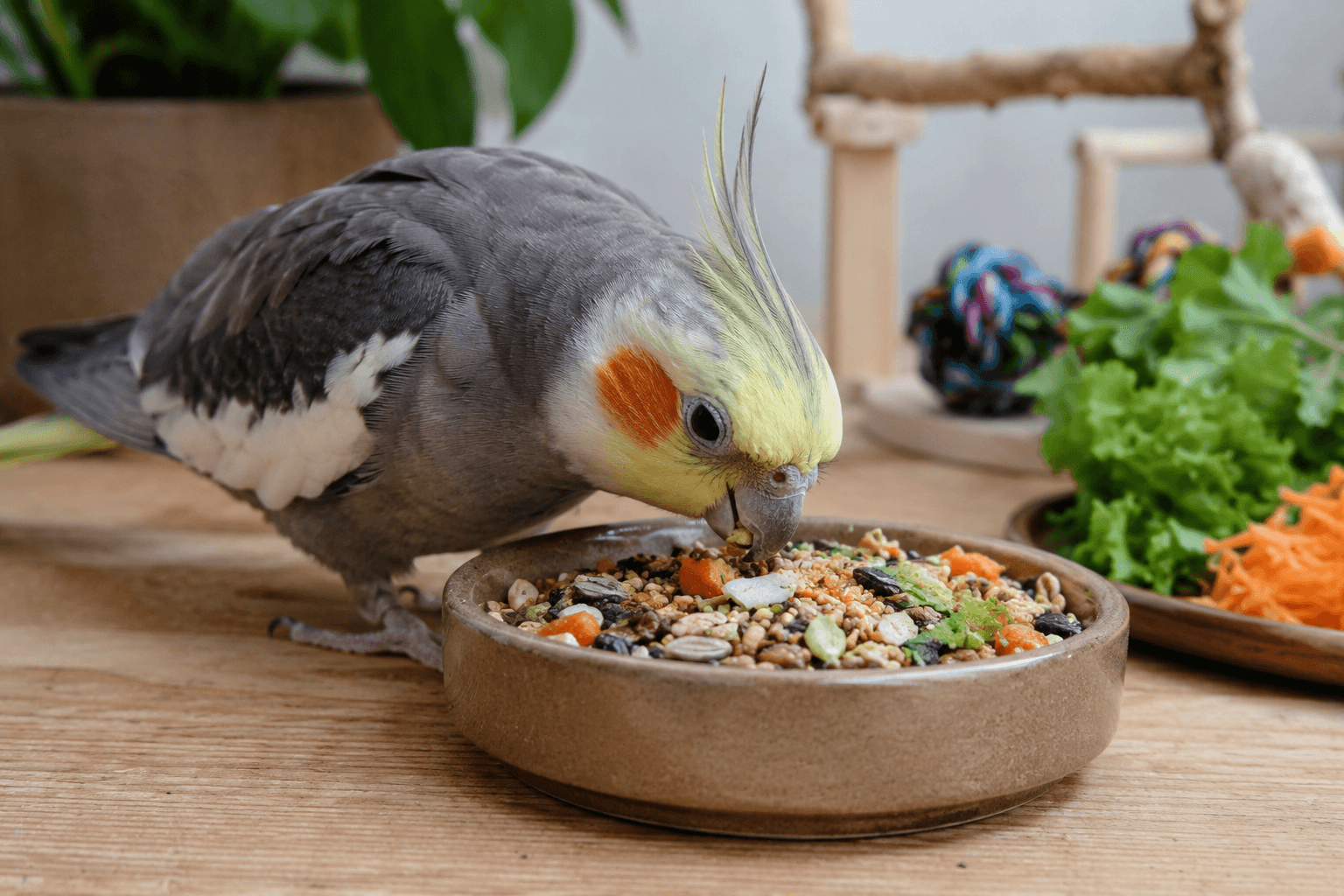
How to Tell the Difference Between Normal and Concerning Feather Loss — A Practical Owner's Guide
The truth is, most bird owners fall into one of two extremes: they either dismiss feather loss entirely, assuming it's always normal — or they panic at the very first fallen feather.
The wisdom lies somewhere in the middle — in knowledge.
This section will equip you with a trained eye to accurately read what's happening with your bird, far beyond guessing and unnecessary worry.
✅ Signs of Normal Feather Loss That Require No Concern
When feather loss is simply part of your bird's natural life cycle, you'll notice these reassuring indicators:
- 🌿 Symmetrical distribution: Feathers fall in a balanced pattern across both sides of the body — not concentrated in one spot or isolated area.
- 🌱 Immediate new growth: If you look carefully, you'll find small pin feathers — resembling fine needles — sprouting immediately where each shed feather fell.
- 😄 Your bird is perfectly fine: Eating with appetite, moving actively, making its usual sounds, and interacting with you just as it always has.
- 📅 Regular timing: Occurs during a specific season or after the breeding period — not arriving suddenly and unpredictably at random times.
- ⏳ Limited duration: Wraps up within a few weeks, and feathers return denser and more lustrous than before.
💡 Think of it this way: just as humans naturally shed hair every single day — with each fallen strand replaced by new growth — this is simply your bird's built-in renewal system doing exactly what it was designed to do.
🚨 Red Flags That Demand Immediate Action
These signals are telling you clearly: "Stop. Call the vet right now."
Don't hesitate or wait if you notice any of the following:
🔴 In the feathers and skin:
- Clearly visible bald patches with no new feather growth appearing after two or more weeks
- Skin that appears red, swollen, or shows visible wounds and ulcerations
- Sudden, heavy feather loss occurring over just a few days
- New feathers growing in deformed (twisted, curved, or broken at the base)
🔴 In your bird's behavior:
- Noticeable loss of appetite or refusal of previously favorite foods
- Unusual lethargy and continuous sitting at the bottom of the cage
- Persistent fluffed-up feathers (a classic sign of illness in birds)
- Abnormal vocalization — or conversely, sudden and complete silence
🔴 In the body:
- Rapid breathing or a crackling, wheezing sound during respiration
- Discharge from the beak or eyes
- Abnormal droppings (unusual color, foul odor, or excessively watery)
- Noticeable weight loss (detectable when holding the bird)
⚠️ Golden rule: In birds, symptoms can progress with alarming speed. A bird that seems "slightly under the weather" today may be in a critical condition within 24 to 48 hours. Never delay.
📊 Comparison Table: Natural or Medical?
Use this as your quick reference guide every time you find yourself standing in front of the cage and unsure of what you're seeing:
| 🔍 What You Observe | ✅ Natural | ❌ Requires a Vet |
|---|---|---|
| Amount of feather loss | Moderate and gradual | Heavy and sudden |
| Distribution of loss | Symmetrical across the whole body | Concentrated in one spot or on one side |
| New feather growth | Appears immediately (pin feathers visible) | Absent or growing in deformed |
| Condition of skin | Normal and clean | Red, ulcerated, or showing wounds |
| Bird's activity level | Completely normal | Lethargic, fluffed up, or anxious |
| Appetite and eating | Normal or slightly increased | Reduced or completely absent |
| Duration of loss | 4 to 8 weeks | Exceeds two months or continues worsening |
| Visible scratching/itching | Absent or very mild | Intense and persistent |
📸 How to Properly Document Your Bird's Feather Condition Before Seeing the Vet
This is a step many owners overlook — yet in reality, it completely transforms the quality of the diagnosis.
When a veterinarian sees your bird for the first time, they won't have witnessed what's been happening over the past several days. But if you document smartly, you hand them a complete case report before the session even begins.
How to document like a professional:
- 📹 A short video (30 to 60 seconds): Film your bird moving naturally around the cage — it reveals a great deal about energy levels and movement quality
- 📸 Close-up macro photos: Focus specifically on the affected area, clearly showing the condition of the skin and remaining feathers
- 📸 A wide-angle full-body shot: To show the overall distribution of feather loss across the body
- 📋 Write down your observations: When did the problem start? Did anything change in the environment or diet beforehand? Are there any accompanying symptoms?
On the SCOTY platform, you can send these photos and videos directly to the avian veterinarian before the session begins — so they arrive having already studied the case and ready to deliver a precise assessment from the very first moment. And with a full 30-minute consultation call, there's more than enough time to discuss every detail of your bird's condition thoroughly, without rushing or cutting anything short.
🎯 Section takeaway in one sentence:
Your eyes are your first diagnostic tool — learn how to use them, and know when to turn what you see into a specialist's concern. When it comes to the treatment for feather loss in birds, timing is absolutely everything.
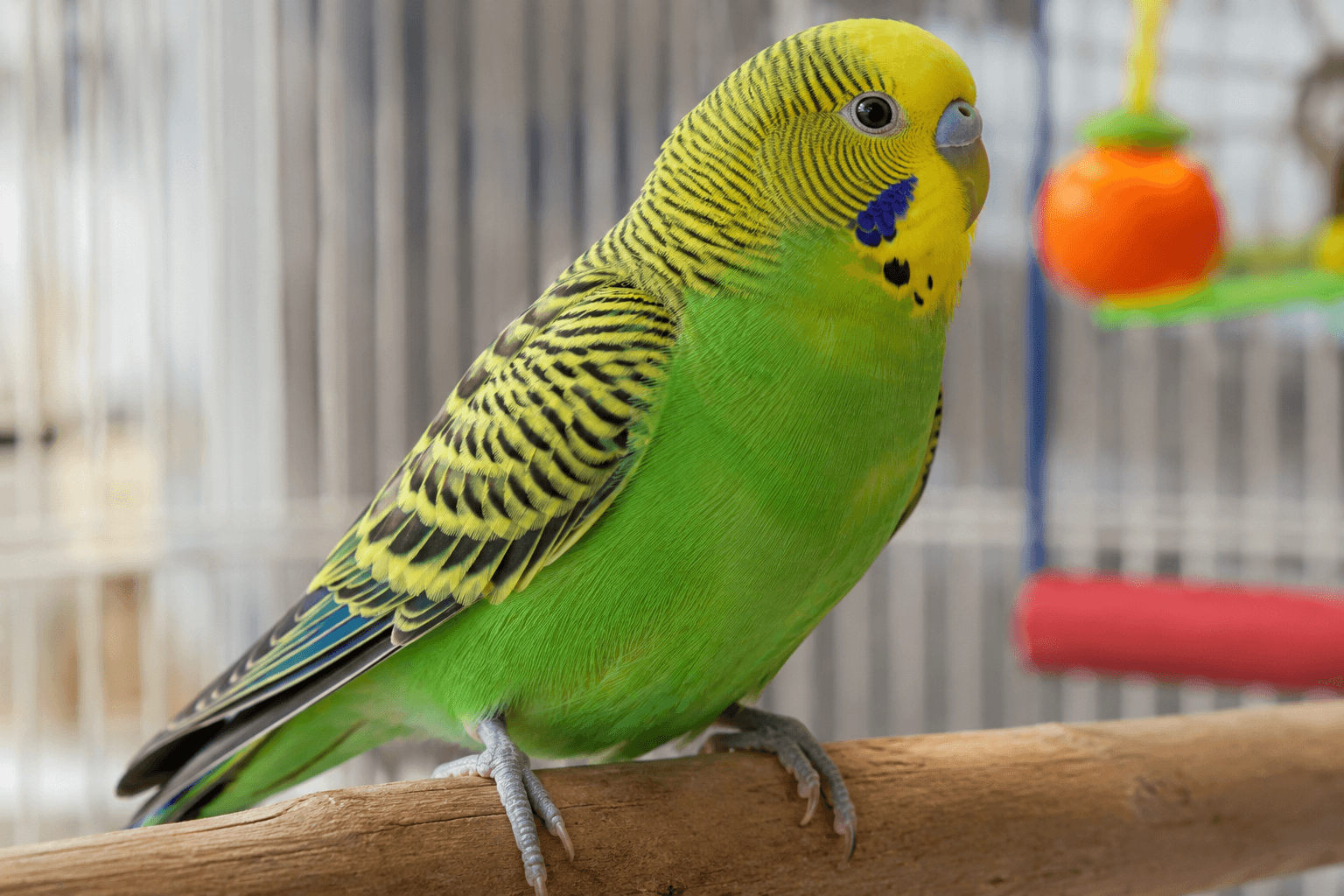
Treatment for Feather Loss in Birds — Step by Step, Cause by Cause
This is the section every bird owner has been waiting for: What do I actually do now?
The honest answer is this: the right treatment starts with the right diagnosis. Treating for parasites won't help if the problem is nutritional — and vice versa. That's exactly why we've structured this section step by step, organized by each specific cause, so you can approach your bird's recovery with precision and confidence.
🥗 Improving Nutrition — The Golden Formula for Healthy, Lustrous Feathers
If nutrition is the culprit, here's the good news: improvement typically begins within just a few weeks of correcting the diet.
Steps to rebuilding your bird's nutritional foundation:
Step One — Stop relying entirely on seeds:
Seeds alone are like feeding your bird fast food every single day. The crop may feel full, but the body is starving for essential nutrients. Real dietary variety isn't optional — it's the foundation of feather health.
Step Two — Gradually introduce these foods:
- 🥦 Dark leafy greens: Spinach, kale, parsley — excellent sources of Vitamin A and calcium
- 🥕 Carrots and bell peppers: Rich in beta-carotene, which the body converts into Vitamin A
- 🍳 Hard-boiled eggs: Complete, high-quality protein — offer two to three times per week
- 🐟 Small dried fish (for appropriate species): A wonderful source of Omega-3, which restores shine and flexibility to feathers
- 🌾 Varied whole grains: Millet, barley, wheat — never just one type
Step Three — Targeted nutritional supplements:
Never buy supplements from a general store at random. The wrong supplement can cause more harm than good. The best approach is always to book a consultation with a veterinary specialist who can identify exactly what your bird is lacking — whether that's Vitamin A, Omega-3 fatty acids, essential amino acids, or biotin to strengthen feather follicles.
💡 What to expect: With a corrected diet in place, you'll notice new feathers growing in with noticeably greater shine and density during the next molting cycle — and the difference will be unmistakable to the eye.
🦟 Treating Parasites — The Right Steps to Take at Home
Confirmed it's parasites? No need to panic — but there's absolutely no room for delay either. Parasites multiply rapidly, and treating them effectively requires simultaneous, coordinated steps.
Step 1 — Isolate your bird immediately:
If you have more than one bird, move the affected one to a separate cage right away. Parasites spread between neighboring birds with alarming speed.
Step 2 — Clean and disinfect the entire cage:
- Remove everything from the cage: perches, food dishes, toys, cover cloths
- Wash the cage thoroughly with hot water and dish soap
- Apply a bird-safe disinfectant (ask your avian pharmacy for appropriate products)
- Let the cage dry completely in direct sunlight before returning the bird
- Replace all cage lining or substrate entirely
Step 3 — Treat the bird itself:
This is precisely where a veterinarian must be your partner in every decision. Available treatments include:
- 🧴 Anti-parasite spray for external parasites: Applied carefully to the bird's feathers, kept well away from the eyes and beak
- 💊 Anti-parasite medication (Ivermectin or Moxidectin): Administered in a very precise dose based on the bird's exact weight — an overdose is toxic, so never give this without a prescription
- 🛁 Regular cleaning baths: Warm water only, with absolutely no chemical additives
Step 4 — Repeat the treatment cycle:
Most anti-parasite medications kill adult organisms but not their eggs. For this reason, treatment must be repeated after 10 to 14 days to eliminate the newly hatched generation before they can reproduce again.
⚠️ Critical warning: Products designed for cats and dogs are lethal to birds. Never use anything other than products specifically formulated for birds, and only ever under a veterinarian's prescription.
🦠 Treating Viral and Bacterial Diseases — When Do You Need a Prescription?
If the diagnosis points to a viral or bacterial disease, we are now completely beyond the scope of home treatment — this is exclusively the veterinarian's domain.
What you can do at home while awaiting the consultation:
- 🌡️ Keep your bird warm: Position the cage away from cold air drafts; room temperature should ideally sit between 77°F and 86°F (25°C to 30°C)
- 💧 Ensure adequate water intake: Sick birds dehydrate very quickly, and clean fresh water is absolutely critical
- 🍽️ Offer easy-to-eat foods: Soft fruits and lightly mashed vegetables if the bird appears weak
- 🔇 Minimize noise and stress: A sick bird needs complete calm and quiet to focus its energy on recovery
What your veterinarian will do:
- Deliver an accurate diagnosis through symptom assessment or lab tests when necessary
- Prescribe appropriate antibiotics for bacterial conditions (typically Doxycycline or Enrofloxacin)
- For PBFD viral cases: provide supportive care to strengthen immunity and manage symptoms
- Monitor the bird's response to treatment and adjust dosages as needed
Through SCOTY, you can receive a fully certified electronic prescription — downloadable and fillable online instantly, without ever leaving your home or waiting in a crowded clinic. Every detail of the case and the prescription is saved in your bird's medical file within the app, ready to reference whenever you need it.
🧠 Behavioral Treatment for Feather Plucking — How to Support Your Bird's Mental Health
Feather plucking driven by psychological stress is arguably the most challenging aspect of treating feather loss in birds — because you're not fighting a bacterium or a parasite. You're treating a deep emotional condition.
But patience and consistency work wonders.
First — Identify and remove the trigger:
Did anything change before the behavior started? Did you move to a new home? Did a new animal join the household? Has your daily routine shifted significantly? Trace that change and try to gradually restore what was familiar — or help your bird adapt to the new normal at a gentle, unhurried pace.
Second — Enrich the cage environment:
- 🧩 Introduce a new toy or element every one to two weeks — novelty stimulates the brain and breaks the cycle of boredom
- 🪵 Vary the shapes and sizes of perches to engage the feet and mind simultaneously
- 🎵 Play soft music or gentle nature sounds (birdsong, light rain) at low volume
- 🪞 A small mirror inside the cage gives your bird a "companion" during the hours you're away
Third — Make daily interaction a fixed, reliable ritual:
Birds are creatures of deep routine. Just 20 to 30 minutes of direct daily interaction — talking, playing, gentle training, or simply letting your bird perch on your shoulder — makes a profound difference in their anxiety levels and overall sense of security.
Fourth — In severe cases, the vet is the answer:
If plucking has escalated to the point where skin is exposed or wounded, the veterinarian may need to prescribe mild calming medications or a temporary protective collar while the bird's psychological state gradually stabilizes.
🏠 Optimizing the Cage Environment — The Small Details That Make a Big Difference
Regardless of the underlying cause — nutritional, psychological, or medical — improving the living environment consistently accelerates recovery and prevents the problem from returning.
The most impactful environmental adjustments for supporting healthy feather regrowth:
- ☀️ Natural light is a necessity, not a luxury: 10 to 12 hours of natural daylight regulates hormones and actively supports feather health. If sufficient natural sunlight isn't available, invest in full-spectrum lighting bulbs designed specifically for birds
- 💧 Appropriate humidity levels: Excessively dry air makes feathers brittle and accelerates shedding. A humidity level between 50% and 60% is ideal for most companion bird species
- 🚿 Regular misting baths: Gently mist your bird with warm water 2 to 3 times per week to maintain feather flexibility and keep the skin clean and hydrated
- 🌬️ Avoid direct air currents: Position the cage away from air conditioning units and windows open to direct drafts
- 🧹 Consistent cage cleanliness: A clean environment simply doesn't allow parasites and bacteria to thrive and multiply
💡 Remember: A healthy cage is the foundation of healthy feathers. A bird living in an optimal environment recovers significantly faster — even when battling illness or nutritional deficiencies.
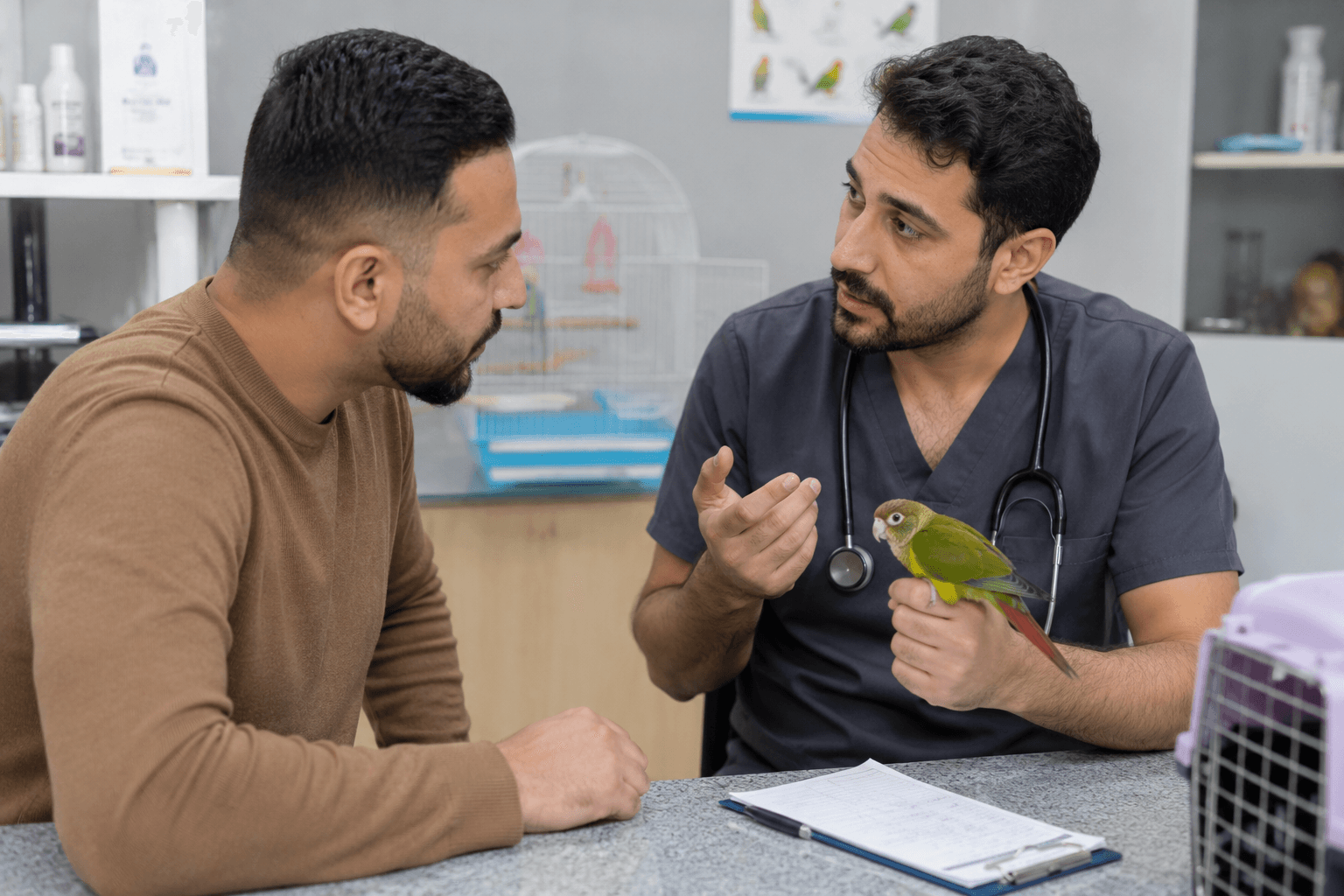
Prevention Is Better Than Cure — A Daily Routine for Year-Round Feather Health
We've arrived at the final section — and in our view, it's the most important of all.
Because the true goal isn't simply finding the right treatment for feather loss in birds when a problem arises — it's building a daily life for your bird that makes the problem rare to begin with. Prevention isn't an extra burden on your day. It's a collection of simple habits that, once established, become as automatic as watering your plants or refreshing the fish tank.
Let's build that routine together, step by step.
🍽️ The Ideal Feeding Guide for the Most Popular Companion Bird Species
Proper nutrition is the first and most powerful pillar of prevention — and every bird species has its own unique nutritional requirements that differ significantly from the next.
🦜 Budgerigars and Cockatiels:
Among the most popular birds in our homes, and unfortunately among the most commonly affected by poor nutrition.
- Core diet (50%): A varied seed mix (millet, barley, canary seed)
- Vegetables (30%): Grated carrot, spinach, cucumber, colorful bell peppers
- Protein (10%): Hard-boiled egg two to three times per week
- Supplements (10%): A cuttlebone available inside the cage at all times as a calcium source
🦚 Large Parrots (African Grey, Amazon, Macaw):
Highly intelligent birds that require a significantly broader and more varied diet.
- Pellets and balanced mix (40%): A commercially balanced pellet is preferable to seeds alone
- Fruits and vegetables (35%): Apple, mango, broccoli, fresh corn on the cob
- Protein (15%): Cooked legumes, eggs, occasionally boiled chicken
- Healthy fats (10%): Walnuts, almonds, flaxseeds in small amounts
🐦 Canaries and Finches:
Small in size but with nutritional needs that are surprisingly significant relative to their body weight.
- Varied seeds (60%): A balanced seed mix specifically formulated for canaries and finches
- Fresh vegetables (25%): Dandelion greens, parsley, finely chopped cucumber
- Light protein (15%): Finely crumbled hard-boiled egg once per week
💡 The golden rule for every species: Fresh, clean water must be changed daily without exception. Stale water is an excellent breeding ground for bacteria that damages both feather health and the digestive system.
Foods that are absolutely forbidden for all bird species:
- 🚫 Avocado (highly toxic to birds)
- 🚫 Chocolate and caffeine in any form
- 🚫 Onions and garlic
- 🚫 Apple and pear seeds
- 🚫 Added salt and sugar
- 🚫 Dairy products in significant quantities
🧹 Hygiene and Disinfection — Your First Line of Defense Against Parasites and Disease
A clean environment equals a protected bird. This equation has no exceptions.
Daily hygiene routine (just 5 minutes):
- 🫙 Change water and clean food dishes every single day
- 🧹 Clear the cage floor of droppings and scattered food
- 👁️ Observe droppings daily — their color and consistency are a window into your bird's internal health
Weekly hygiene routine (20 to 30 minutes):
- 🪣 Wash the entire cage with hot water and unscented dish soap
- 🧼 Scrub perches, toys, and swings with a dedicated brush
- 🔄 Replace all cage substrate (newspaper, bird-safe sand, or appropriate wood shavings)
- 🔍 Inspect cage corners and joints with a small flashlight — parasites hide in hinges and crevices
Monthly disinfection routine (once a month, thoroughly):
- 🧴 Disinfect the entire cage with a diluted apple cider vinegar solution (1 part vinegar to 10 parts water) — safe, natural, and genuinely effective
- ☀️ Leave the cage to dry in direct sunlight for at least two hours — UV rays are a powerful natural disinfectant against both bacteria and parasites
- 🧺 Wash all cage covers and fabric items at a high temperature
One critically important point — quarantine all new birds:
Any new bird entering your home must remain in complete isolation for a minimum of 30 days before being introduced to your existing birds. Parasites and diseases don't always show symptoms immediately — a bird that appears perfectly healthy may be silently carrying something that could devastate the rest of your flock.
💚 Your Bird's Mental Health — Because Happiness Starts From Within
Your bird's healthy feathers don't depend solely on what it eats — they depend equally on how it feels.
A psychologically content bird doesn't pluck its feathers, eats with genuine appetite, and naturally maintains its plumage clean and beautifully groomed. An anxious, lonely bird, on the other hand, reflects that internal state outwardly — and quickly.
The pillars of your bird's psychological wellbeing:
🤝 Daily social interaction:
Set aside a consistent time each day for meaningful interaction with your bird — 20 to 30 minutes is enough to make a significant difference. Talk to them, play together, practice simple commands, or simply let them perch on your shoulder while you go about your day.
🧩 Continuously renewed environmental enrichment:
- Introduce a new toy or novel element every one to two weeks
- Hide food in different locations around the cage to encourage natural foraging behavior
- Play soft, calming sounds in the room when you're away from home
☀️ A consistent, regular light cycle:
Birds need a stable biological rhythm. Aim for approximately 12 hours of light and 12 hours of darkness. Avoid leaving lights on throughout the night — it disrupts their internal clock and compounds stress and anxiety over time.
👥 Companionship (when appropriate for the species):
Some birds, like canaries and finches, genuinely require a companion of their own species as a fundamental need. Others, like large parrots, can thrive with the deep bond they build with their owner. Take time to understand the specific social nature of your particular bird species.
📅 When Should You Schedule a Routine Veterinary Checkup?
Regular checkups with an avian veterinary specialist aren't a luxury — they're an investment in longer, healthier years for your bird.
The recommended schedule:
| 🗓️ When | 📋 What It Covers |
|---|---|
| Every 6 months | Comprehensive general exam, weight check, feather and skin assessment, nutritional evaluation |
| At the start of molting season | Evaluating the bird's readiness and recommending supportive supplements if needed |
| When introducing a new bird | A full health screening before integrating the new bird with existing ones |
| At any sudden change | In weight, behavior, or feather appearance — seek advice immediately |
When should you call the vet immediately, without waiting?
- 🔴 Sudden, heavy feather loss occurring within 24 to 48 hours
- 🔴 Exposed or ulcerated skin in any area
- 🔴 Any accompanying symptoms of illness (lethargy, labored breathing, loss of appetite)
- 🔴 Severe, repeated self-directed feather plucking
🌟 SCOTY Is With You Every Step of the Way — Because Your Bird Deserves the Best
We understand that caring for your bird isn't always straightforward. Questions arise in the middle of the night. Symptoms appear that you're not sure how serious they might be. Treatment decisions come up that genuinely require an expert's perspective.
This is exactly where SCOTY steps in — the complete online veterinary consultation platform built to be there for you in every moment you need specialized support.
What makes the SCOTY experience different:
- 👨⚕️ Choose your own vet: Browse the detailed profiles of specialized avian veterinarians, select the one you trust most, and book directly from their calendar
- 📸 Send photos and videos in advance: Document your bird's condition and submit everything before the session so the vet arrives fully prepared from the very first second
- ⏱️ A full 30-minute consultation call: Plenty of time to discuss every detail at a relaxed, unhurried pace
- 📄 A fully certified digital prescription: Downloadable and redeemable online, immediately and effortlessly
- 📁 A complete, permanent medical record: Every detail of your bird's health history documented in one place, always accessible when you need it
- 💬 One full week of free follow-up: Around-the-clock chat support for seven days after your session, plus one additional free follow-up call — because the journey to recovery doesn't end when the consultation does
Everything you need to get started is just one tap away: book your consultation now— from the comfort of your home, at a time that works for you, with a veterinarian who truly understands birds.
🎯 Article Summary — What You Take With You Today
Your bird's feathers are far more than beauty — they are the truest measure of their health. And when you learn to read what those feathers are telling you, you become a more confident owner and a far less anxious one.
Always remember:
- ✅ Natural feather loss has clear, recognizable signs — learn them well
- ✅ A varied, balanced diet is the most powerful prevention and the best medicine
- ✅ Regular hygiene and cleaning protects your bird from the vast majority of diseases and parasites
- ✅ Psychological wellbeing is an inseparable part of feather health
- ✅ Your veterinarian is your partner — don't wait for things to get worse before reaching out
Your bird chose you as their home. Make that home the safest, healthiest, and most joyful place it could ever be. 🦜💚