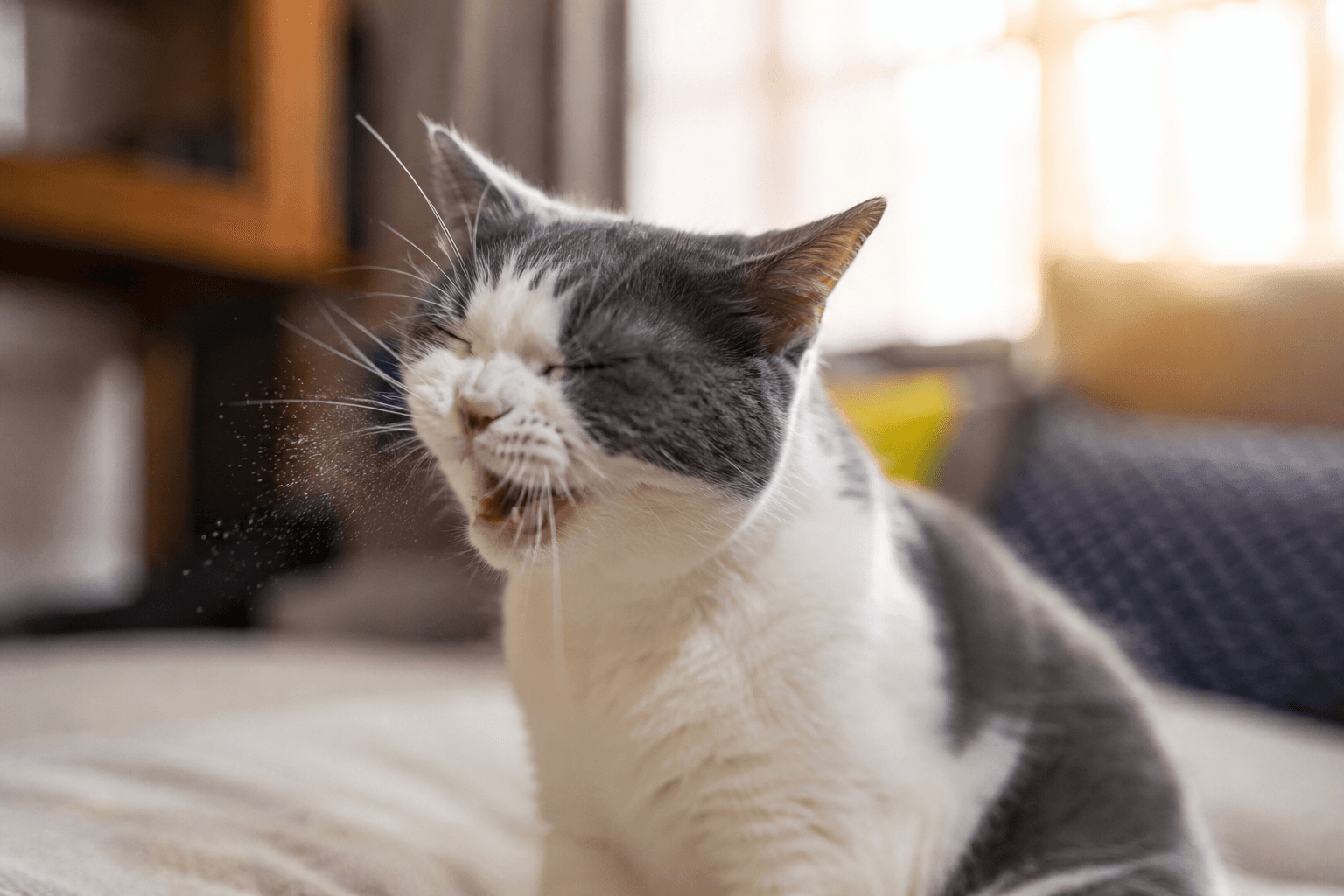
You hear a tiny sneeze from your cat while sitting right next to her, then another one follows, and you start to wonder if this cat sneezing is just from a bit of dust or a sign of something that needs closer attention.
With SCOTY, accessing veterinary care has never been easier. You'll get your answers and a medical prescription from a specialized veterinarian with total ease, comfort, and zero hassle.
In this article, we'll go over the different causes behind cat sneezing, when it's simply temporary and harmless, and when it calls for an immediate medical consultation.
If the sneezing keeps happening or comes with other symptoms, you can schedule your appointment now to make sure your cat is okay.
Why Is Your Cat Sneezing? The Complete Guide to Causes
Normal Sneezing: When There's No Reason to Worry 😌
Imagine walking into a room filled with heavy perfume and sneezing instantly, even though you're perfectly healthy. Your cat experiences the exact same thing.
Cat sneezing on its own is not a disease — it's a natural defense mechanism the body uses to clear irritants from the nasal passages. A healthy cat may sneeze a few times throughout the day, and that's completely normal.
Occasional sneezing is nothing to worry about when it:
- 🟢 Happens once or twice and then stops
- 🟢 Comes with no nasal discharge or eye secretions
- 🟢 Occurs after obvious exposure to a trigger like a cleaning spray or strong scent
- 🟢 Doesn't affect your cat's eating, drinking, or playfulness
The concern begins when sneezing becomes frequent, persistent, or accompanied by other symptoms. That's when the real question becomes: what's actually causing it?
Common Causes: From Dust to Strong Scents 🌿
The majority of everyday cat sneezing episodes are purely environmental — nothing to do with illness. Here are the most common household triggers you might not even notice:
Airborne Irritants:
- Accumulated dust on furniture or in the litter box
- Household sprays: air fresheners, insecticides, and strong cleaning products
- Cigarette smoke, incense, or scented candles
- Pollen from indoor plants, especially during spring
Other Triggers:
- Switching to a dusty or fine-grain cat litter
- Feathers or fluff from toys or soft furnishings
- Sudden changes in temperature or very dry indoor air
💡 Practical tip: If you notice your cat only sneezes in a particular room or right after you use a specific product, an environmental trigger is the most likely culprit. Try ventilating the space and cutting back on sprays for a few days — you might be surprised by the difference.
Medical Causes: When Sneezing Signals Something Serious ⚠️
When sneezing goes beyond a simple, isolated pattern and starts becoming frequent or paired with other symptoms, medical causes enter the picture. And they're more varied than most cat owners expect.
Upper Respiratory Tract Infections 🦠
These are the most common medical reason behind cat sneezing. Often referred to as "cat colds," they're viral or bacterial infections that affect the nose and throat, including:
- Feline Herpesvirus (FHV-1): One of the most widespread viruses in cats, causing intense sneezing alongside discharge. It can lie dormant and flare up during periods of stress.
- Feline Calicivirus (FCV): Causes sneezing along with mouth ulcers and sometimes fever.
- Bacteria such as Chlamydia and Bordetella: Produce infections with yellow or green nasal discharge.
These infections are highly contagious between cats, so if you have a multi-cat household, take extra precautions.
Seasonal and Environmental Allergies 🌸
Yes — cats get allergies just like humans do! Allergies can cause chronic or seasonal sneezing, and may also come with skin itchiness or red, watery eyes.
Common allergy triggers include:
- Specific proteins in food
- Household substances like mold and dust mites hiding in bedding and carpets
- Other animals in the home (some cats are actually allergic to dogs!)
Dental and Gum Disease 🦷
This one surprises a lot of cat owners. Decayed teeth and chronic gum inflammation can spread directly into the nasal sinuses, because the roots of the upper teeth sit remarkably close to the nasal cavity.
A cat with chronic sneezing and noticeably bad breath? There's a strong chance the problem starts in the mouth, not the nose.
To protect your cat's oral health and prevent this issue from developing, check out our detailed guide on how to clean your cat's teeth and make it a regular habit.
Other Medical Causes Worth Knowing:
- Foreign object in the nasal passage: A curious cat may inhale something tiny — a seed, a blade of grass — that gets lodged inside
- Abnormal growth or tumor: Rare, but important to rule out in chronic cases that don't respond to treatment, especially in older cats
- Fungal infections: Uncommon but possible respiratory infections affecting the nasal passages
Quick Reference: Normal Sneezing vs. Warning Signs 📊
| Situation | Normal ✅ | Worth Monitoring ⚠️ | Urgent ❗ |
|---|---|---|---|
| Frequency | Once or twice a day | Multiple times daily for 2+ days | Non-stop sneezing episodes |
| Discharge | None or clear and minimal | Yellow or green | Bloody or extremely thick |
| Appetite | Completely normal | Noticeably reduced | Refusing food entirely |
| Energy | Fully active | Mildly lethargic | Severely lethargic or withdrawn |
| Eyes | Clean and clear | Mild discharge | Heavy redness or pus-like discharge |
Important Warning: Never Ignore These Signs 🚨
There's a specific set of symptoms that, when paired with sneezing, demand immediate veterinary attention — no waiting, no home remedies first:
- 🔴 Sneezing accompanied by blood (even a single drop)
- 🔴 Audible breathing sounds or obvious difficulty breathing
- 🔴 Complete refusal to eat for more than 24 hours
- 🔴 High fever (body feels unusually hot to the touch)
- 🔴 Gums turning pale white or bluish in color
In situations like these, don't hesitate. You can instantly book a consultation through SCOTY, attach photos or videos of your cat's condition beforehand, and let the vet assess everything with full context before your session even begins.
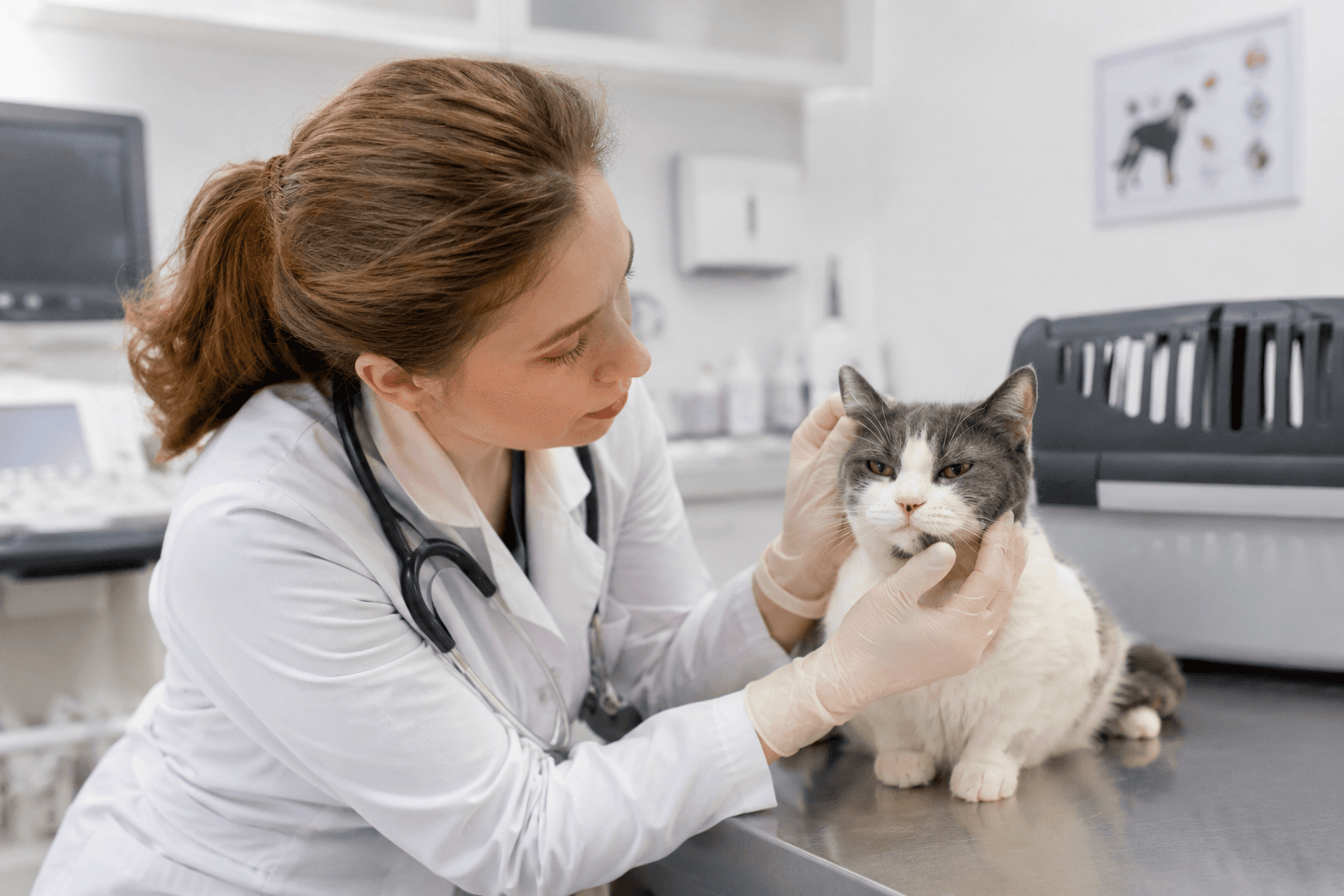
Symptoms That Accompany Cat Sneezing — What to Look For and How to Assess
Your cat can't tell you how she feels in words, but she sends clear, readable signals to those who know what to look for. 👀
Sneezing alone rarely tells the full story. It's the accompanying symptoms that complete the picture — and help you and your vet reach an accurate diagnosis quickly. In this section, you'll learn how to be your vet's eyes at home. 🏠
Nasal Discharge: The Color Reveals the Truth 🔍
When it comes to cat sneezing, nasal discharge is the very first thing you should pay attention to. Its color and consistency tell a clear medical story.
Clear and watery: Generally reassuring. This usually points to mild environmental irritation or the early stages of a light allergy. Monitor the situation for a day or two.
Yellow or green: This is where bacteria enter the picture. This color almost certainly indicates a bacterial infection that needs veterinary evaluation and, in most cases, antibiotic treatment prescribed by a vet.
Brown or bloody: This is the scenario that cannot wait. Brown discharge or any trace of blood warrants contacting a vet as soon as possible — it may point to a foreign object, internal injury, or in rare cases, a tumor.
Thick and pus-like: This signals an advanced infection that has likely been present for some time. The longer it goes untreated, the longer and more complex recovery becomes.
💡 Smart tip: Keep a white tissue nearby when you notice your cat's discharge. Gently wipe around her nose and observe the color against the white fabric — the difference will be strikingly clear. You can photograph the tissue and attach it to your veterinary consultation to help the vet make a more precise assessment.
Sneezing With Watery Eyes or Redness 👁️
When sneezing combines with eye-related symptoms, it usually points to a viral or allergic cause — not just a simple irritation.
Signs that should put you on alert:
- Discharge from the eyes, whether watery or pus-like
- Visible redness in the whites of the eyes or the inner eyelid
- Partial eye closure or sensitivity to light
- Crusty buildup forming around the eyelid margin in the morning
These symptoms together with sneezing strongly suggest upper respiratory viruses like feline herpes or calicivirus — both of which need medical intervention to prevent progression.
To learn more about eye conditions in cats and how to tell them apart, our comprehensive article on cat eye inflammation covers the topic in full detail.
Sneezing With Loss of Appetite or Lethargy 😴
A healthy cat, even if she sneezes occasionally, will still eat, play, and demand your attention as usual. When that stops — that's the real alarm. 🔔
Loss of Appetite:
Cats rely heavily on their sense of smell to find food appealing. When nasal congestion from inflammation or discharge blocks that sense, they lose interest in eating even if it's their favorite meal.
A cat that hasn't eaten for more than 24 to 36 hours needs urgent veterinary evaluation — especially kittens, senior cats, pregnant cats, and nursing mothers. Choosing the right nutrition for your cat also plays a major role in preventing these episodes, and our article on the best types of cat food will help you build a strong, immunity-supporting diet.
Lethargy and Withdrawal:
A cat that suddenly retreats to a dark corner or loses all interest in play and interaction is telling you loud and clear: "I don't feel well." Lethargy is one of the most important indicators of illness in cats, precisely because cats instinctively mask pain and push through discomfort. When they do show it, it means the threshold has been crossed.
Nosebleeds in Cats: Ignoring This Is a Serious Mistake 🚨
Nosebleeds — medically known as epistaxis — even if minor, should always be reported to a vet without delay.
Possible causes range widely:
- A foreign object stuck in the nasal cavity
- A direct blow or physical injury to the nose
- High blood pressure (far more common in older cats than most people realize)
- Blood clotting disorders
- In rare cases: a nasal tumor
What to do immediately: Keep your cat calm. Do not press on her nose or tilt her head backward. Simply take a short video or photo of the situation and reach out directly to a specialist veterinarian for an assessment.
Self-Assessment Tool: Diagnostic Questions for Cat Owners 📋
Before any consultation, work through these questions — your vet will ask them anyway, and having clear answers will speed up the diagnostic process significantly.
About the Sneezing Itself:
- ✏️ When exactly did it start? How many days ago?
- ✏️ Approximately how often does it happen per hour or per day?
- ✏️ Does it happen at specific times (mornings, after meals, in a particular room)?
- ✏️ Did it come on suddenly or gradually?
About Any Discharge:
- ✏️ Is there nasal discharge? What color and consistency?
- ✏️ Are the eyes clear, or is there discharge from them too?
About General Condition:
- ✏️ Is she eating and drinking normally?
- ✏️ Is she active and playful, or lethargic?
- ✏️ Does she live with other cats, and are they sneezing too?
- ✏️ Is she up to date on her core vaccinations?
- ✏️ Has she been exposed to any new substances at home recently (a new air freshener, plant, or litter brand)?
These answers will make your session with the vet far more productive and dramatically reduce the time needed to reach an accurate diagnosis. Through SCOTY, you can attach photos and videos of your cat's condition before the session begins — giving the vet a complete picture before you even say a word.
Treating Cat Sneezing — From Home Care to the Clinic 💊
If you've made it to this section, either your cat is sneezing right now and you're looking for answers, or you're a proactive owner who wants to be prepared before a problem arises. Either way, you're in the right place. 👏
The honest truth is that cat sneezing doesn't have one universal cure — because the right treatment depends entirely on the underlying cause. That's why this section follows a logical, step-by-step approach: from what you can do at home right now, to when veterinary care becomes absolutely necessary, to what treatment your vet is likely to recommend.
What Can You Do at Home? 🏡
Before reaching for any medication, there are simple yet meaningful steps you can take immediately at home. These are especially effective for cases involving environmental irritation or mild allergies.
Cleaning the Air and Reducing Triggers 🌬️
Your cat's environment is the first thing within your direct control — and changing it costs nothing.
- Open windows daily to circulate fresh air and reduce the concentration of airborne irritants indoors
- Stop using aerosol sprays — air fresheners, scented candles, and incense — temporarily, and observe whether your cat's sneezing improves
- Switch to a low-dust litter in her litter box; there are specific varieties designed to minimize airborne particles
- Clean your cat's sleeping areas regularly to remove accumulated dust from bedding, cushions, and nearby rugs
- Eliminate indoor smoking entirely if you have a cat — cigarette smoke is one of the harshest respiratory irritants for felines
Moisture and Supportive Nutrition 💧
Dry air aggravates nasal passage irritation and can make sneezing significantly worse. A humidifier placed in the room where your cat sleeps makes a noticeable difference, particularly in winter when heating systems strip moisture from the air.
Nutrition plays an equally important role. A strong body recovers faster and fights off illness more effectively. Make sure your cat has constant access to fresh, clean water — dehydration weakens immunity and prolongs recovery. If your cat prefers dry food exclusively, mixing in a small amount of wet food adds valuable hydration to her daily intake.
For a deeper look at what supports your cat's health at every life stage, our comprehensive guide on cat nutrition is an excellent resource. If your cat is a nursing mother and is sneezing, this requires special attention because her health directly impacts her kittens. Searching for the best food for nursing cats will help you support her body during this sensitive stage and choose the right nutrition.
When Is Veterinary Care Absolutely Necessary? 🩺
Home care works well for mild cases — but some situations go beyond what can be managed at home. In these cases, a vet isn't just recommended; it's essential.
Seek veterinary care immediately if you notice any of the following:
- ⛔ Sneezing that persists for more than 3 to 5 days with no improvement
- ⛔ Nasal discharge that has turned yellow or green
- ⛔ Your cat has stopped eating or is drinking noticeably less than usual
- ⛔ Visible lethargy or behavioral changes from her normal personality
- ⛔ Eye-related symptoms such as redness or pus-like discharge
- ⛔ Audible sounds when breathing or any signs of labored breathing
- ⛔ Your cat is very young (under 6 months), senior (over 10 years), or has a pre-existing chronic condition
With these warning signs present, home experimentation is not an option. Delays lengthen suffering and complicate treatment.
Medical Treatment Options: What Will Your Vet Prescribe? 💉
Once your vet has assessed your cat's condition, treatment will be tailored to the root cause. Here are the most common medical approaches:
For Bacterial Infections: Antibiotics are the primary treatment. Commonly used options include amoxicillin or doxycycline, typically prescribed for a course of 10 to 14 days. It's critical that you complete the full course even if your cat seems to improve early — stopping antibiotics prematurely leads to bacterial resistance and can cause the infection to return stronger.
For Viral Infections: Unlike bacteria, viruses can't be directly killed with medication. Treatment here is supportive — it reduces symptoms while the immune system fights the virus itself. This typically includes:
- L-Lysine supplements, which specifically suppress the replication of feline herpesvirus
- Saline nasal drops to ease congestion
- Liver and immune-support medications as determined by your vet
For Allergies: Your vet may prescribe antihistamines or low-dose corticosteroids. Equally important is identifying and removing the allergen from your cat's environment.
For a Foreign Object: Removal is usually performed under light sedation. This is a good reminder to keep very small objects away from curious cats at all times!
⚠️ Critical warning: Never give your cat any human medication, no matter how similar the symptoms seem. Drugs like paracetamol (acetaminophen) and ibuprofen are highly toxic to cats and can cause liver failure or death. The only safe medication is what a licensed vet prescribes specifically for your cat's condition.
Sneezing After Vaccination: Normal or Concerning? 💉
Many cat owners are alarmed to find their cat sneezing a day or two after a vaccination appointment. The reassuring answer: in most cases, this is completely normal.
Certain vaccines — particularly those targeting the respiratory system, whether administered as an intranasal spray or by injection — can trigger a mild immune response that manifests as brief, light sneezing for one to three days.
Post-vaccination sneezing is normal when it is:
- 🟢 Mild and infrequent
- 🟢 Free of colored nasal discharge
- 🟢 Accompanied by normal eating and playfulness
- 🟢 Gone on its own within 3 days
If it lasts beyond three days or is accompanied by lethargy and loss of appetite, contact your vet.
"It is highly recommended to get familiar with your cat's usual sitting posture, as it will help you recognize what is normal and when it becomes unusual during illness. If you want to understand her body language more deeply, our article on cat sitting positions meaning will be incredibly helpful in reading her health and emotional cues.
How SCOTY Helps You Assess Your Cat's Condition From Home 📱
Sometimes you genuinely can't tell whether your cat's condition warrants a clinic visit or not. And one of the hardest situations is feeling worried in the middle of the night with no one to reassure you.
This is precisely where SCOTY becomes more than just a remote veterinary clinic — it becomes your trusted companion in pet care, available whenever you need it.
Here's exactly how it works when you're worried about your cat:
Step 1: Browse and Choose Your Vet Open the app, browse the profiles and CVs of specialized veterinarians, read their areas of expertise and patient reviews, and choose the one you trust most. Then book your appointment directly from the calendar at a time that works for you.
Step 2: Attach Evidence Before the Session Before the call begins, you can upload photos and videos of your cat's condition — the color of her discharge, how she's sneezing, any other symptoms you've observed. This gives the vet a visual understanding of the situation before you even start talking, leading to a far more accurate assessment.
Step 3: A Full, Unhurried Consultation Your session runs for a full 30 minutes — enough time to walk through symptoms, medical history, and a clear treatment plan without feeling rushed.
Step 4: A Prescription in Your Hands If your cat needs medication, you'll receive a certified electronic prescription, ready to download and filled online — no waiting rooms, no complicated steps.
Step 5: A Documented Medical Record The full session report is saved in your cat's digital health file within the app. Every future vet who sees her will have access to her complete medical history, raising the standard of care automatically.
And the best part: After your session ends, you receive a full week of free follow-up support via chat, available around the clock — plus a complimentary follow-up call. That means your peace of mind is protected until you're certain your cat is truly on the mend. 🐾
Book your appointment now in just a few simple steps — and let us take the worry off your shoulders. 💙
Prevention Is Better Than Cure — A Life With Less Sneezing for Your Cat 🛡️
Here's a truth every experienced vet will tell you: the vast majority of chronic and recurring cat sneezing cases could have been avoided — or significantly reduced — if the owner had prioritized prevention from the start.
Prevention isn't an extra cost. It's genuine savings in time, effort, and money. More than that, it's an investment in your own peace of mind and your cat's long-term wellbeing. 🐱💙
The Protective Vaccination Schedule 💉
Vaccination is the single most important first line of defense against the most common medical causes of cat sneezing.
The Core Respiratory Vaccine — FVRCP: This is the most essential vaccine your cat can receive, offering protection against three serious diseases at once:
- Feline Herpesvirus (FHV-1): The number one cause of upper respiratory infections in cats
- Feline Calicivirus (FCV): Responsible for sneezing, oral ulcers, and occasional fever
- Feline Panleukopenia: A severe disease affecting the immune and digestive systems
Recommended Vaccination Schedule:
- 🐾 First dose: at 6 to 8 weeks of age
- 🐾 Second dose: at 10 to 12 weeks of age
- 🐾 Third dose: at 14 to 16 weeks of age
- 🐾 Booster: one year after the last dose
- 🐾 Ongoing: every one to three years, based on your vet's recommendation
⚠️ Important note: Vaccination substantially reduces the severity of symptoms but doesn't guarantee 100% immunity — particularly with feline herpesvirus, which can remain dormant in the body for life and reactivate during periods of stress. Regular vaccination remains essential regardless.
If you are unsure about your cat's vaccination history or want to find the right doctor in your area, it is best to look up cat vet numbers to contact them, or simply use advanced online clinics like the SCOTY online vet clinic.
A Healthy Environment: Clean Air and a Safe Home 🌿
The environment your cat lives in has a direct, daily impact on her respiratory health. Here are the most impactful changes you can make:
Indoor Air Quality:
- Ventilate your home every day — open windows for at least 15 to 20 minutes, even in cooler weather
- Avoid using aerosol air fresheners and heavily scented candles near your cat's living spaces
- If you use pest control products indoors, move your cat to another room and fully ventilate before bringing her back
- An air purifier with a HEPA filter makes a measurable difference by reducing dust, dust mites, and pollen circulating in the air
The Litter Box:
- Choose a coarser, heavier-grain litter with minimal dust rather than fine, lightweight varieties that become airborne
- Clean the litter box daily — the ammonia released from urine is a direct respiratory irritant
- Place the box in a well-ventilated area, away from your cat's sleeping and eating spaces
General Hygiene:
- Wash your cat's bedding weekly in hot water to eliminate dust mites
- Clean her food and water bowls regularly
- If you introduce new houseplants, verify they are non-toxic to cats and unlikely to trigger allergies
Nutrition and Immunity: Prevention From the Inside 🥗
A strong immune system is your cat's most powerful internal medicine — and that immune system is built, above all else, by what she eats.
The Foundations of Preventive Nutrition:
- High-quality animal protein is the cornerstone of a cat's diet. Cats are obligate carnivores — their bodies cannot build and maintain themselves on plant-based protein
- Omega-3 fatty acids found in fish oil reduce inflammatory responses and can ease allergy symptoms over time
- Vitamins C and E, along with antioxidants, strengthen immunity and protect the mucous membranes lining the nose and throat
- Fresh, clean water — always available — is non-negotiable. Dehydration undermines every function in the body
Avoid cheap, heavily processed commercial foods packed with preservatives and grain fillers. They quietly weaken immunity over time, even when your cat appears outwardly healthy.
Routine Checkups: The Smartest Investment in Your Cat's Health 🩺
Regular vet visits aren't only for sick cats — they are a proactive prevention tool that catches problems before they escalate.
What a Comprehensive Routine Exam Covers:
- Nose, throat, and ear assessment
- Dental and gum examination to detect early inflammation that could extend to the nasal sinuses
- Weight measurement to track any sudden changes
- Eye and skin evaluation
- Overall health assessment and discussion of any behavioral changes
General Recommendations:
- Healthy adult cats: once to twice a year
- Kittens under one year: every 3 months during the first year
- Senior cats over 8 years: at least every 6 months, as conditions progress more quickly at this stage
Don't wait for a symptom to appear before scheduling a visit. Preventive care genuinely extends your cat's life and measurably improves its quality. You can book a routine checkup through SCOTY from home, in minutes.
Raising a Healthy Cat From Day One 🌱
True prevention starts on the very first day you bring your cat home. The early decisions you make shape her health for years to come.
When Welcoming a New Cat: If you already have cats at home, don't introduce the newcomer directly. Isolate her in a separate room for at least two weeks to confirm she isn't carrying any contagious illness before allowing contact. This single step protects your existing cats from potential respiratory infections.
Caring for Your Cat's Emotional Wellbeing: Stress and anxiety in cats directly weaken their immune systems and can reactivate dormant viruses like feline herpesvirus. A cat who feels safe and settled is, quite simply, a healthier cat. If you're a new cat owner or have a cat who's still adjusting to her new home, our article on when cats get used to their owners will guide you in building the trust and calm that supports her physical health.
Learn the Basics of Proper Care: A conscious owner makes a huge difference in their cat's life. Knowing how to raise a cat through its various stages—how to feed them, set up their environment, and read their needs—significantly reduces their risk of getting sick
Registering With a Trusted Care Platform From the Start: Register your cat with SCOTY from day one and build her digital health record from the very beginning. Every visit, every vaccination, every health note — all saved in one place. When you need a consultation, your vet will have a complete medical history in front of them, enabling more precise, personalized care for your cat every single time. 📋
Your Cat Is Going to Be Okay — And You're Not Alone 🐾
Cat sneezing — as you've now seen — is a topic with many layers and dimensions. Sometimes the cause is as simple as a dusty shelf or a new air freshener you tried at home. Other times, it's a genuine signal from your cat's body asking for real help.
The single most important thing you'll take away from this guide is this: knowing the difference. Knowing when to simply watch, when to take action, and when to seek a professional opinion.
What We've Learned Together 📚
Our journey through this article covered everything a caring, conscious cat owner needs to know:
- We understood the difference between brief, normal sneezing and sneezing that carries a medical message worth paying attention to
- We explored the causes, from the simplest environmental ones to the more complex viral and bacterial infections
- We learned how to read symptoms and turn what we observe in our cat into useful information for the vet
- We identified what can be managed at home, and what goes beyond the limits of home care
- We laid out a real prevention plan — starting with vaccination, moving through environment and nutrition, and ending with routine checkups
A Final Word From the Heart 💙
Your cat can't tell you "I'm not feeling well." But she sends you signals every single day, and the simple fact that you've read this far means you genuinely want to understand her and be there for her.
That alone makes you a wonderful pet parent. 🐱
But sometimes love alone isn't enough — sometimes real medical expertise is needed.
You Don't Have to Face Your Worry Alone 🤝
Whether it's two in the afternoon or two in the morning, SCOTY connects you with specialized veterinarians who can:
- 🔍 Assess your cat's condition through real photos and videos you send before the session
- 🗓️ Book your appointment at exactly the time that suits you, directly from the vet's calendar
- 💊 Provide you with a certified electronic prescription, ready to download and fill online instantly
- 📋 Document everything in your pet's digital medical file for you to refer back to anytime
- 💬 Follow up with you for free via chat, available around the clock for a full week after the session, plus an additional complimentary follow-up call
Because your cat deserves specialized care. And you deserve real peace of mind. 🌟
Start Now — One Simple Step 🚀
Don't wait for things to get worse.
Whether your cat is sneezing right now and you want an expert opinion, or you simply want to schedule a preventive routine checkup for your beloved companion:
Book your consultation now through SCOTY and let us take care of your pet's worries. 💙
Because the best time to take care of your cat's health is now. 🐾