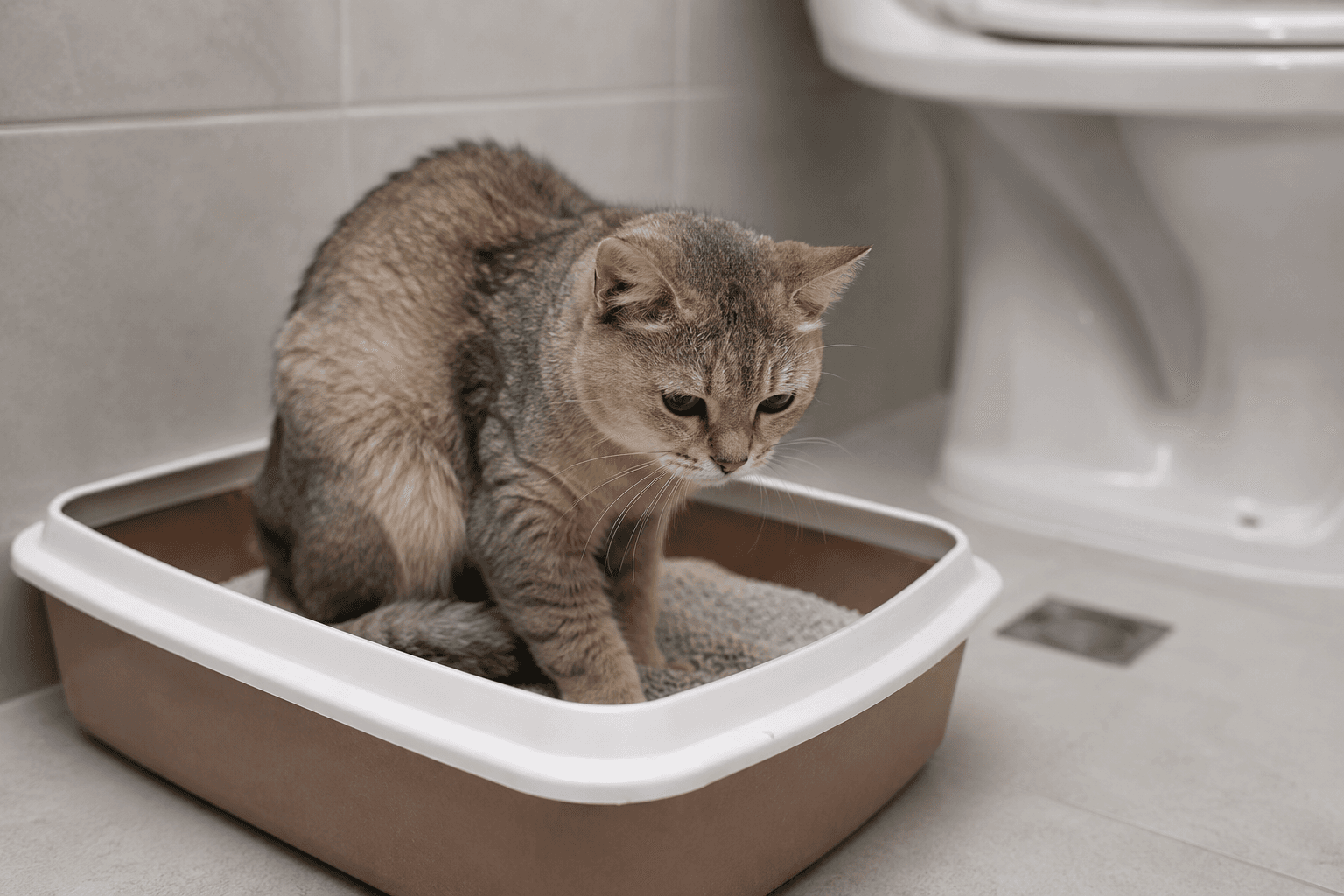
Causes of Diarrhea in Cats — From the Mildest to the Most Serious 🔍
Before you spiral into worry, take a deep breath. The causes of diarrhea in cats are many and varied, and not all of them are dangerous. But understanding them gives you real power to act wisely.
First: Dietary and Environmental Causes — The Most Common Culprits 🍽️
These are the triggers that catch most cat owners off guard — often without them even realising it!
Sudden Food Changes 🔄
Your cat is not like us. Her sensitive digestive system simply cannot handle an abrupt dietary switch.
When you transition from one food to another within just a day or two, the beneficial bacteria in her gut experience a genuine shock — and the almost inevitable result is noticeable diarrhea.
The golden rule: any dietary transition should span 7 to 10 days gradually, starting with just 10% of the new food and slowly increasing the proportion day by day.
Food Allergies and Lactose Intolerance 🥛
Have you ever offered your cat a saucer of milk? Many owners assume cats love milk — and this is one of the most widespread misconceptions in pet care!
Most adult cats do not produce sufficient lactase enzyme to digest milk sugar properly. Regular cow's milk essentially becomes a direct trigger for diarrhea and bloating in most adult cats.
Food sensitivities can also extend to:
- Specific proteins such as chicken or fish
- Certain grain ingredients and gluten
- Artificial preservatives found in lower-quality commercial foods
Eating Spoiled Food or Inappropriate Items 🗑️
Your cat is naturally curious — and that curiosity can sometimes land her in real trouble!
Consuming spoiled food, rich kitchen scraps, or even certain household plants can trigger acute diarrhea within just a few hours.
For a thorough overview of cat nutrition and what truly suits your feline companion's needs, that's an invaluable resource worth exploring.
Second: Parasites and Microbial Infections 🦠
This is where things become more serious — and where your full attention is needed.
Intestinal Worms 🪱
Roundworms, tapeworms, and hookworms are all unwelcome guests that can take up residence in your cat's intestines and cause chronic diarrhea, often accompanied by:
- Abdominal bloating (especially pronounced in kittens)
- Weight loss despite eating well
- Visible worm segments in the stool or around the anal area
Giardia and Coccidia 🔬
These two microscopic parasites are the hidden culprits behind many cases of recurring, treatment-resistant diarrhea.
Giardia in particular spreads through contaminated water or contact with infected cats. The diarrhea it produces tends to have a notably foul smell and a greasy, oily consistency.
Serious Viruses and Bacteria ⚠️
- Feline Panleukopenia Virus: A catastrophic disease in unvaccinated cats. It causes severe, often bloody diarrhea and can be fatal — particularly in young kittens.
- Salmonella and Campylobacter: Typically contracted from raw meat or contaminated water sources.
- Feline Coronavirus (FIP): A complex disease that, among other serious manifestations, can affect the intestinal tract.
If you notice diarrhea accompanied by blood or mucus, reach out immediately to SCOTY for urgent veterinary advice.
Third: Stress and Psychological Anxiety 😰
This cause genuinely surprises many cat owners — yet it is entirely real from a scientific standpoint!
The Cat-Stress-Gut Connection
Your cat possesses what scientists call the "Gut-Brain Axis" — which simply means that what happens in her mind has a direct impact on her digestive system.
Moving to a new home, the arrival of a newborn baby, a house full of loud visitors, or even introducing a new cat into the household — all of these can trigger stress-induced diarrhea in your cat.
Signs of Stress-Related Diarrhea:
- It begins clearly linked to a specific change or disruption
- It gradually resolves as stability and routine return
- No other accompanying illness symptoms are present
The first solution here isn't medication — it's safety, routine, and love 💕
Fourth: Systemic and Chronic Diseases 🏥
When diarrhea recurs without an obvious cause, a veterinarian must consider these possibilities carefully.
Liver and Kidney Disease
The liver and kidneys play a central role in digestion and detoxification. When either organ is compromised, the effects ripple directly into the digestive system — and chronic diarrhea is often the very first warning sign.
Hyperthyroidism
This condition is particularly common in senior cats over the age of ten. It accelerates virtually every bodily function, including intestinal motility — resulting in chronic diarrhea paired with noticeable weight loss despite a ravenous appetite.
Inflammatory Bowel Disease (IBD) 🔥
Imagine the lining of your cat's intestines in a state of constant inflammation — much like arthritis, but affecting the gut. That is IBD.
It causes chronic, intermittent diarrhea that is very difficult to manage at home, requiring precise diagnosis and a long-term treatment plan from a qualified specialist.
Fifth: Medication Side Effects and Toxin Exposure 💊
Antibiotics and Their Impact on the Gut
Antibiotics are a vital weapon against infection, but they cannot distinguish between harmful and beneficial bacteria. Their use disrupts the natural microbiome balance of the intestines, frequently causing diarrhea throughout the entire course of treatment.
The solution here is not stopping the medication — it is consulting your vet about adding a cat-appropriate probiotic alongside the antibiotic course.
Toxic Plants and Household Substances ☠️
This is the most dangerous entry on the list. Plants such as lilies are highly toxic to cats and can cause immediate kidney failure alongside acute diarrhea. Other common household hazards include:
- Cleaning and disinfectant products
- Certain human medications (paracetamol, for example, is extremely toxic to cats)
- Rodenticide and insecticide products
If you suspect your cat has ingested something toxic, this is a medical emergency. You can book an appointment with a specialist on SCOTY within minutes — without ever having to leave your home.
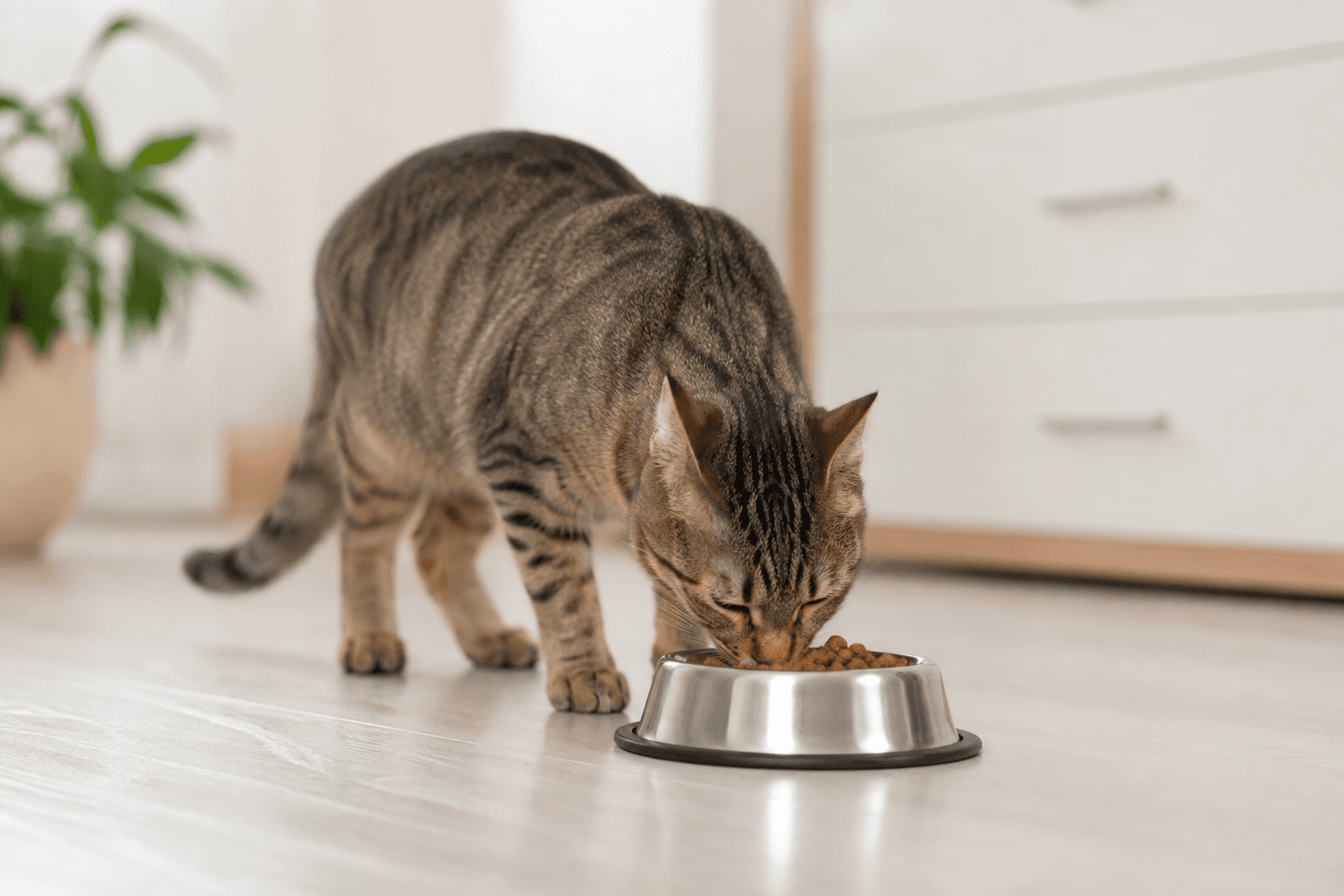
How to Tell the Difference Between Mild and Dangerous Diarrhea 🚦
Understanding the causes of diarrhea in cats is a great first step — but the ability to assess the severity of the situation with your own eyes is what truly makes you an exceptional cat parent.
Because the difference between "wait and watch" and "call the vet now" can make a real, life-changing difference for your cat.
Signs That Say "Don't Panic — Just Keep an Eye On It" 🟢
In these situations, the diarrhea is likely transient and will resolve on its own within 24 to 48 hours:
- A single or double episode of mild diarrhea with no recurrence
- Your cat is active and playful as usual — eating and drinking normally
- No blood or mucus visible in the stool
- No accompanying vomiting or noticeable fever
- A recent minor dietary change that you're already aware of
In this case, monitor your cat closely throughout the day, ensure she always has access to fresh clean water, and consider slightly reducing her food portion. Time will often take care of it.
Signs That Say "Call the Vet Right Now" 🔴
Do not hesitate and do not wait if any of the following appear:
- 🩸 Blood in the stool — whether bright red or dark, tarry black
- 🤢 Diarrhea combined with repeated vomiting at the same time
- 😴 Severe lethargy and withdrawal — your cat has no interest in movement or play
- ⚖️ Visible weight loss over just a few days
- 💧 Signs of dehydration: skin that returns slowly when gently pinched, dry gums, sunken eyes
- 🌡️ Elevated body temperature or abnormal coldness in the extremities
- ⏱️ Diarrhea lasting more than 48 hours — even if it appears relatively mild
These symptoms mean your cat's body is sending out a distress call, and it's your responsibility to answer it immediately.
SCOTY connects you with a veterinarian specializing in cats within minutes — and you can attach photos or video footage of your cat's condition directly before the session begins, giving the vet a detailed visual picture to assess even before the consultation starts.
Diarrhea in Kittens — Why Is It Far More Dangerous? 🐱
This is a critically important point that every kitten parent must know:
Kittens under 6 months of age lose fluids at twice the rate of adult cats. Diarrhea that might be merely uncomfortable for a grown cat can become genuinely life-threatening for a young kitten within just a few hours.
Add to this the fact that a kitten's immune system is still developing, making them far more vulnerable to serious viral and parasitic infections. To better understand the full range of kitten diseases and how to navigate them confidently, that's an essential read for every new kitten owner.
Watch especially for these signs in young kittens:
- Extreme drowsiness and refusal to nurse or eat
- A distended, bloated belly that causes discomfort when touched
- Unusual, persistent crying or meowing
- Any diarrhea lasting more than 12 hours — yes, 12 hours, not 48!
A Practical 5-Minute Assessment Guide for Your Cat's Condition ⏱️
Use this quick-reference table whenever a situation arises:
| What You Observe | Recommended Action |
|---|---|
| One episode of diarrhea, cat fully active | Monitor for 24 hours, ensure plenty of water |
| Two episodes, no other symptoms | Reduce food slightly, monitor for 24 hours |
| Repeated episodes + mild lethargy | Veterinary consultation within the day |
| Blood in stool or vomiting present | Immediate consultation — do not wait |
| Kitten with diarrhea of any kind | Immediate consultation without delay |
| Suspected poisoning or toxin ingestion | Emergency — contact a vet right away |
What About Other Accompanying Symptoms? 👀
Sometimes diarrhea doesn't arrive alone — and your cat may be showing other symptoms that deserve equal attention:
- If cat sneezing accompanies the diarrhea, you may be dealing with a viral infection affecting both the respiratory and digestive systems simultaneously.
- The presence of eye inflammation in cat alongside diarrhea can sometimes indicate immune-depleting viral diseases such as feline herpesvirus or calicivirus.
This combination of symptoms calls for a comprehensive evaluation — not just treating one isolated sign.
Don't hesitate to book an appointment with a specialist on SCOTY, where you can attach detailed photos and videos of everything you're observing — enabling the vet to assess your cat's condition more deeply and accurately from the very first moment.
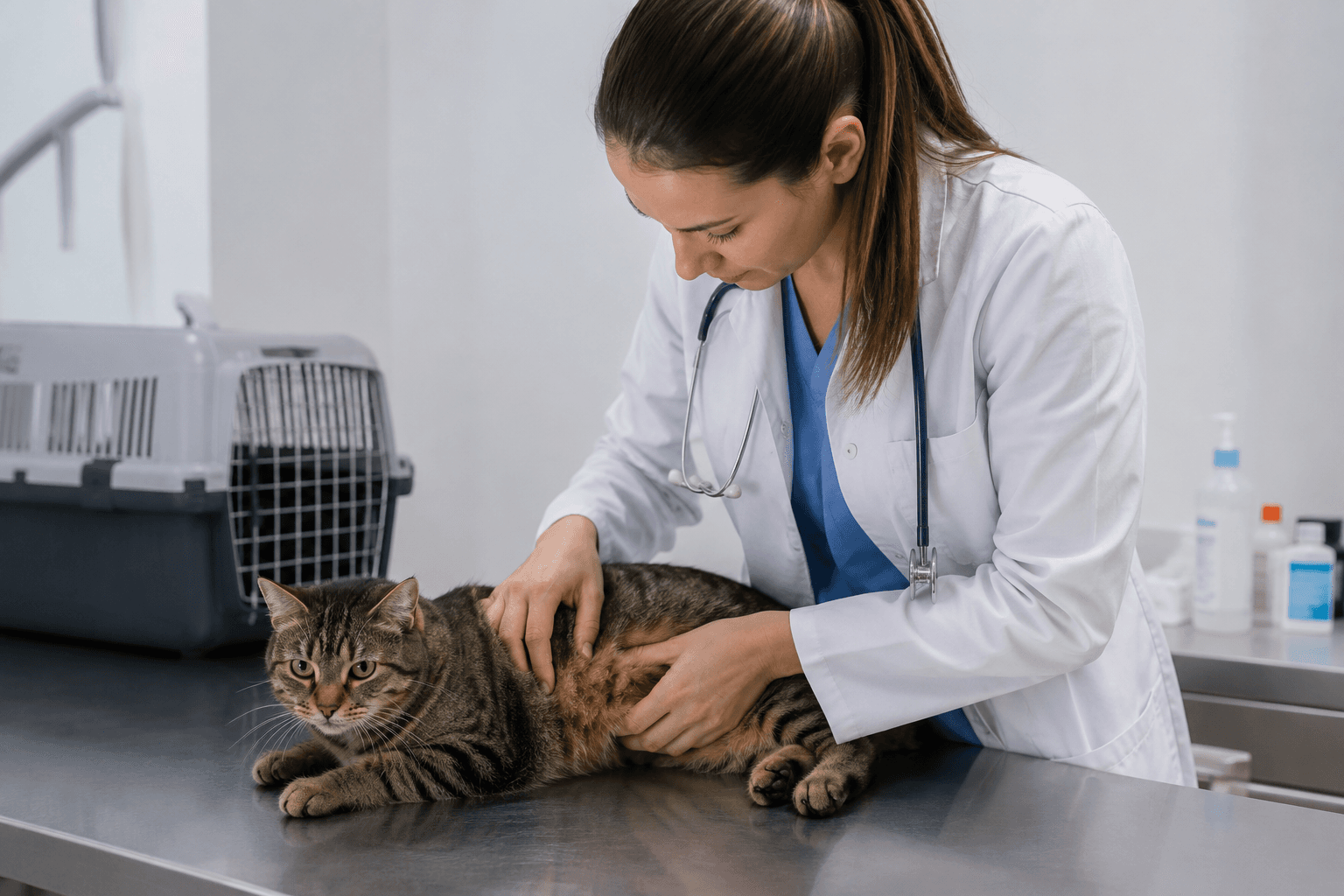
What to Do at Home — Your Complete First Aid Guide 🏠
Now that you know how to assess the situation, the practical question on your mind is: what do I actually do right now?
This section is your complete field guide — step by step, in clear language free of unnecessary complexity.
Safe First Aid Steps to Follow 🩺
First and foremost, take a breath and stay calm. Your cat senses your emotional state and is genuinely affected by it.
Step One: Never Give Your Cat Any Human Medication 🚫
This point deserves to be written in bold and committed to memory.
Ibuprofen, paracetamol, Imodium (Loperamide) — these medications can be fatally toxic to cats even in very small doses. What relieves your discomfort could cost your cat her life.
Step Two: Ensure Adequate Hydration 💧
Dehydration is the number one enemy when diarrhea strikes — and it's what transforms a simple problem into a serious, dangerous one.
Keep fresh, clean water available to your cat at all times. If she seems reluctant to drink, try:
- Adding a small amount of plain tuna water (unsalted) to encourage her
- Using a cat water fountain if she tends to prefer moving water
- Offering water in a different bowl or placing it in a new location around the home
Step Three: Temporary Fasting — But With Caution ⏸️
For healthy adult cats, it can sometimes be appropriate to give the digestive system a brief rest — 6 to 8 hours only from solid food, while keeping water freely available.
However, keep in mind:
- Never apply this to kittens, pregnant cats, or already-unwell cats
- Cats differ significantly from dogs — extended fasting in cats can trigger a serious condition called Hepatic Lipidosis (fatty liver disease)
- If there's no improvement within 12 hours of fasting, consult a vet immediately
Step Four: Monitor the Litter Box Closely 🔍
Your cat's litter box is a treasure chest of medical information. Pay attention to:
- The colour, consistency, and odour of the stool
- The presence of blood, mucus, or visible parasites
- How many times per day she's using the box
Taking a photo or short video of the stool may seem a little unusual — but it genuinely helps the vet enormously in making an accurate diagnosis!
Which Foods Are Safe — and Which Are Off-Limits During Diarrhea? 🍗
Safe and Easily Digestible Foods ✅
After the brief rest period, offer your cat light, gentle foods that are easy on the stomach:
- Plain boiled chicken breast with no seasoning or salt — cut into very small pieces
- Well-cooked plain white rice — in small quantities, as a gentle carbohydrate source
- Veterinary prescription gastrointestinal wet food — if available and recommended for your cat
- Cat-specific probiotics — to help restore the natural balance of gut bacteria
And if your cat is a nursing mother experiencing diarrhea, the situation calls for extra care — because food for nursing cats differs significantly from standard adult cat food, and she'll need tailored nutritional support during this sensitive period.
Foods That Are Completely Off-Limits During Diarrhea ❌
Avoid these entirely:
- 🥛 Milk and all dairy products in any form
- 🧅 Onions and garlic — toxic to cats even in small quantities
- 🍫 Chocolate — extremely toxic
- 🌶️ Spiced, fatty, or fried foods of any kind
- 🐟 Raw fish or undercooked meat
- 🍬 Any food containing Xylitol (artificial sweetener)
And remember — what your cat eats on her healthy days directly shapes the resilience of her digestive system. Managing treating cat vomiting and diarrhea often starts with taking a hard, honest look at the everyday diet.
How to Protect Your Other Cats From Infection 🐾
If you have more than one cat in the household, these steps are absolutely essential:
Immediate Isolation 🏠
- Place the unwell cat in a separate room with her own dedicated litter box, water, and food
- Prevent all direct contact between her and your other cats until she has fully recovered
Proper Litter Box Disinfection 🧹
- Clean the litter box thoroughly with hot water and soap several times a day
- Use a cat-safe disinfectant — avoid any product containing Phenol or similar compounds, as these are toxic to cats
- Wash your hands thoroughly after every interaction with the sick cat's litter box
Monitor Your Other Cats 👀
- Check the stools of your other cats daily for at least one week
- Any change in their normal digestive habits warrants immediate attention
Completely Separate Food and Water Bowls 🥣
- Never allow the sick cat to share any food bowl or water dish with the others
- Even shared toys and play should be paused temporarily during the illness period
When Should You Stop Home Treatment? 🛑
Home care has its limits — and pushing past those limits can cause more harm than good.
Stop home treatment immediately if:
- 48 hours have passed with no noticeable improvement
- The diarrhea has begun to contain blood or mucus
- Your cat is completely refusing food and water
- New symptoms have appeared that weren't present at the start
- Your cat is a kitten, a senior, or pregnant — these groups need professional veterinary attention much sooner
At precisely this moment, SCOTY becomes your first line of defence. You can book an appointment with a specialist within minutes, attach photos and videos of your cat's condition before the session so the vet can review them with an expert eye, and enjoy a full 30-minute consultation that covers everything in detail — ending with a certified electronic prescription ready to download and fill immediately.
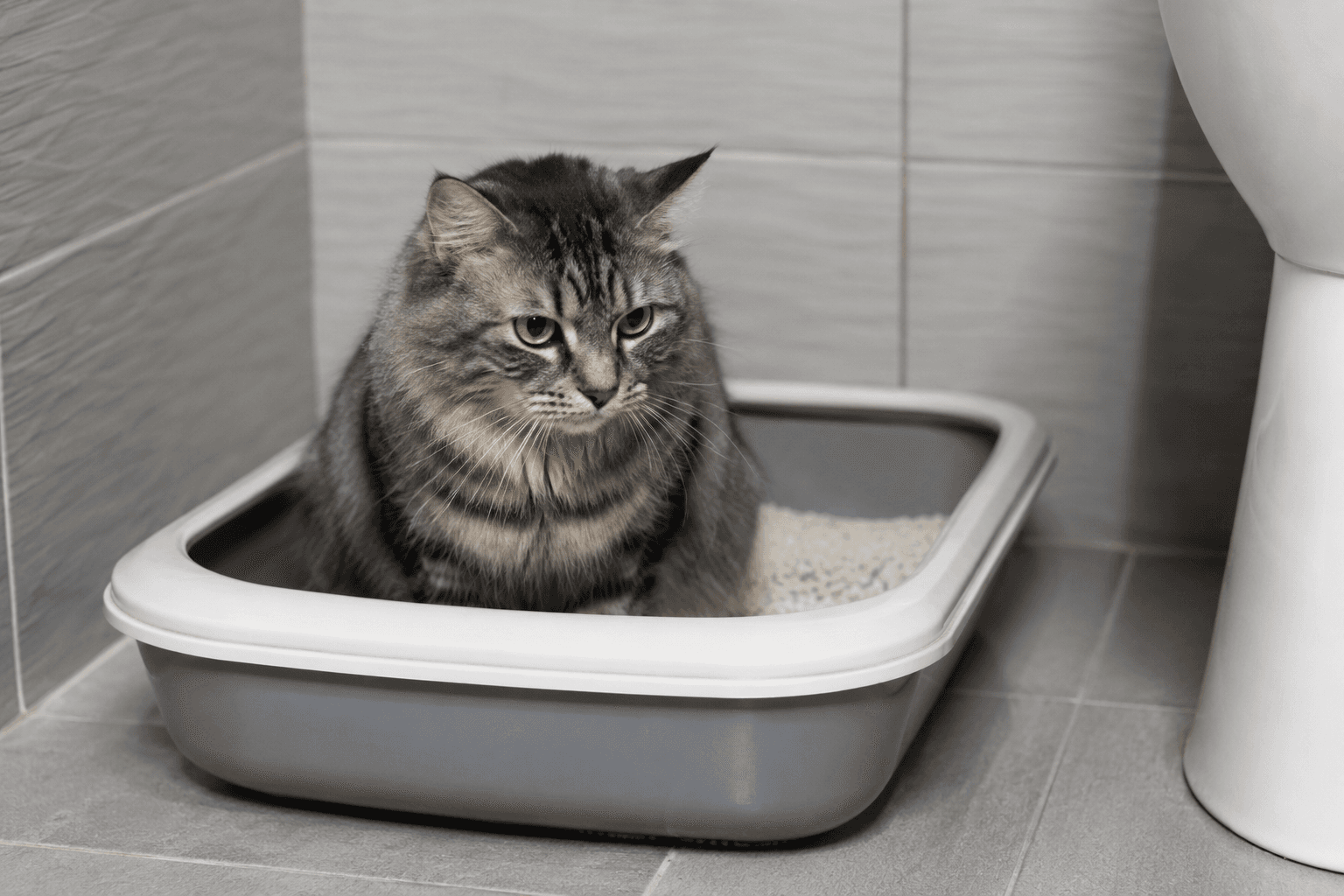
Smart Prevention — A Life Free From Recurring Diarrhea 🛡️
Treating diarrhea when it happens is important — but preventing it from returning in the first place? That is the true goal of every devoted cat parent.
Because the causes of diarrhea in cats are, in the vast majority of cases, entirely preventable when you commit to a comprehensive health routine in your cat's daily life.
Let's build that routine together, step by step 💪
A Preventive Nutrition Programme 🥗
Diet is the cornerstone of your cat's digestive health — and it's the very first thing you need to get right.
Choose the Right Food With Great Care 🔎
Not all cat foods are created equal. Budget-friendly options often come loaded with:
- Artificial preservatives and synthetic colourings that irritate the gut lining
- High proportions of grain and starch at the expense of quality protein
- Low-grade protein sources that are difficult for cats to digest properly
Cats are obligate carnivores — their digestive systems are biologically designed to process animal protein efficiently, not large quantities of grains and carbohydrates.
Look for a food that lists a real, named animal protein as its very first ingredient, and that is as free as possible from artificial additives. For a deep dive into choosing wisely, our comprehensive guide on the best types of cat food will help you make a confident, informed decision for your feline companion.
The Gradual Food Transition Rule — Never Skip It ⚠️
Whenever you want to change your cat's food — whether switching brands, moving from dry to wet, or the reverse — follow this golden transition schedule:
| Days | Old Food Ratio | New Food Ratio |
|---|---|---|
| Days 1-2 | 90% | 10% |
| Days 3-4 | 75% | 25% |
| Days 5-6 | 50% | 50% |
| Days 7-8 | 25% | 75% |
| Days 9-10 | 0% | 100% |
This schedule gives your cat's gut bacteria enough time to adapt comfortably, sparing her from entirely avoidable digestive distress.
Fresh, Clean Water — The Cheapest and Simplest Prevention of All 💧
Hidden dehydration is a silent enemy of digestive health in cats.
Cats naturally tend not to drink enough water — especially when their diet relies heavily on dry kibble. Make it a priority to:
- Refresh your cat's water at least twice daily
- Use a cat water fountain if possible — many cats strongly prefer flowing water
- Place water bowls in more than one location around the home
- Incorporate wet food partially into her diet to compensate for the fluid she isn't drinking
Vaccination and Parasite Control Schedule 💉
This schedule is your protective shield against the most dangerous microbial and parasitic causes of diarrhea.
Core Vaccinations You Must Never Compromise On:
- FVRCP (Feline Triple): Protects against herpesvirus, calicivirus, and panleukopenia — the last of which is among the deadliest causes of bloody, fatal diarrhea in cats
- FeLV (Feline Leukaemia Virus): Especially important for cats with any outdoor access
- Annual or triennial boosters, as recommended by your veterinarian
Internal and External Parasite Control Programme:
- Every 3 months for intestinal deworming — even for cats who live exclusively indoors
- Monthly flea and tick prevention — these are hidden vectors for parasitic infection
- At least one annual stool analysis to screen for Giardia and Coccidia before symptoms ever appear
And caring for your cat's ear health is part of the complete wellness picture — you might be surprised to learn that ear mites in cats can weaken overall immunity, making the body more susceptible to digestive infections as well.
A Healthy Environment and Your Cat's Mental Wellbeing 🏡
Remember what we explored in the first section about psychological stress and its direct impact on the gut? Preventing it begins with designing a genuinely healthy, comfortable living environment for your cat.
A Safe, Stable Environment Means a Healthy Gut 🌿
- Maintain a consistent daily routine around mealtimes, sleep, and play — cats thrive on predictability and feel deeply reassured by it
- Before any major household change (a move, new guests, a new cat), introduce the change as gradually and gently as possible
- Provide your cat with her own safe retreats — a covered box, a high shelf, or any space where she feels secure enough to withdraw when she needs quiet
- Consider synthetic feline pheromones (such as Feliway) during anticipated stressful periods — they calm the nervous system and have a measurable positive effect on digestive stability
Play and Environmental Enrichment 🎮
- Dedicate 15 to 20 minutes daily to interactive play with your cat
- Hunting and chasing games release pent-up energy and meaningfully reduce accumulated stress
- A cat who is physically tired in a healthy way is a cat who is emotionally balanced — and whose digestive system functions like clockwork
Litter Box Hygiene — A Standard That Admits No Compromise 🧹
- Clean the litter box at least once daily — cats will avoid a dirty box and the resulting stress directly affects their gut health
- The golden rule: number of litter boxes = number of cats plus one extra
- Use unscented litter — strong artificial fragrances overwhelm your cat's extraordinarily sensitive sense of smell and can cause ongoing low-level stress
SCOTY's Role in Your Cat's Long-Term Health Journey 🌟
True prevention isn't only about what you do at home — it also means having a trusted veterinary specialist by your side who knows your cat's full medical history and is there with you at every stage of her life.
And this is precisely where SCOTY becomes your genuine long-term partner.
What Does SCOTY Offer Cat Owners Specifically? 🐾
Imagine you notice diarrhea one morning. Instead of embarking on a stressful clinic trip that might take hours out of your day:
- 📋 Browse the profiles of veterinarians specialising in cats, and choose the doctor you feel most confident in
- 📅 Book your appointment directly from the calendar at a time that works perfectly for you
- 📸 Attach detailed photos and videos of your cat's condition — her stool, her movement, her symptoms — for the vet to review and assess before the call even begins
- 📞 Enjoy a full 30-minute consultation with a specialist who discusses absolutely everything with you in precise, thoughtful detail
- 💊 Receive a certified electronic prescription ready to download and fill immediately with complete ease
- 📁 Have the full case report documented in your cat's permanent medical file within the app — a reliable reference for every future visit
And best of all? A full week of complimentary follow-up care — round-the-clock chat support and an additional free follow-up call — because your cat deserves care that doesn't end the moment the first consultation does.
In Closing 💛
Cat diarrhea is never just an inconvenience — it's a message from your cat's body, addressed directly to you.
A message that says: "Pay attention to me. I need help."
And now, after reading this complete guide, you have everything you need to understand that message and respond to it the right way — by recognising its causes, assessing its severity, and acting at exactly the right moment.
Because your cat deserves the very best care possible, booking an appointment with a specialist on SCOTY is always the smartest choice — when you want a real answer from a real doctor, without waiting rooms and without stress.
Because your beloved companion deserves every bit of that attention, and so much more 🐱💕