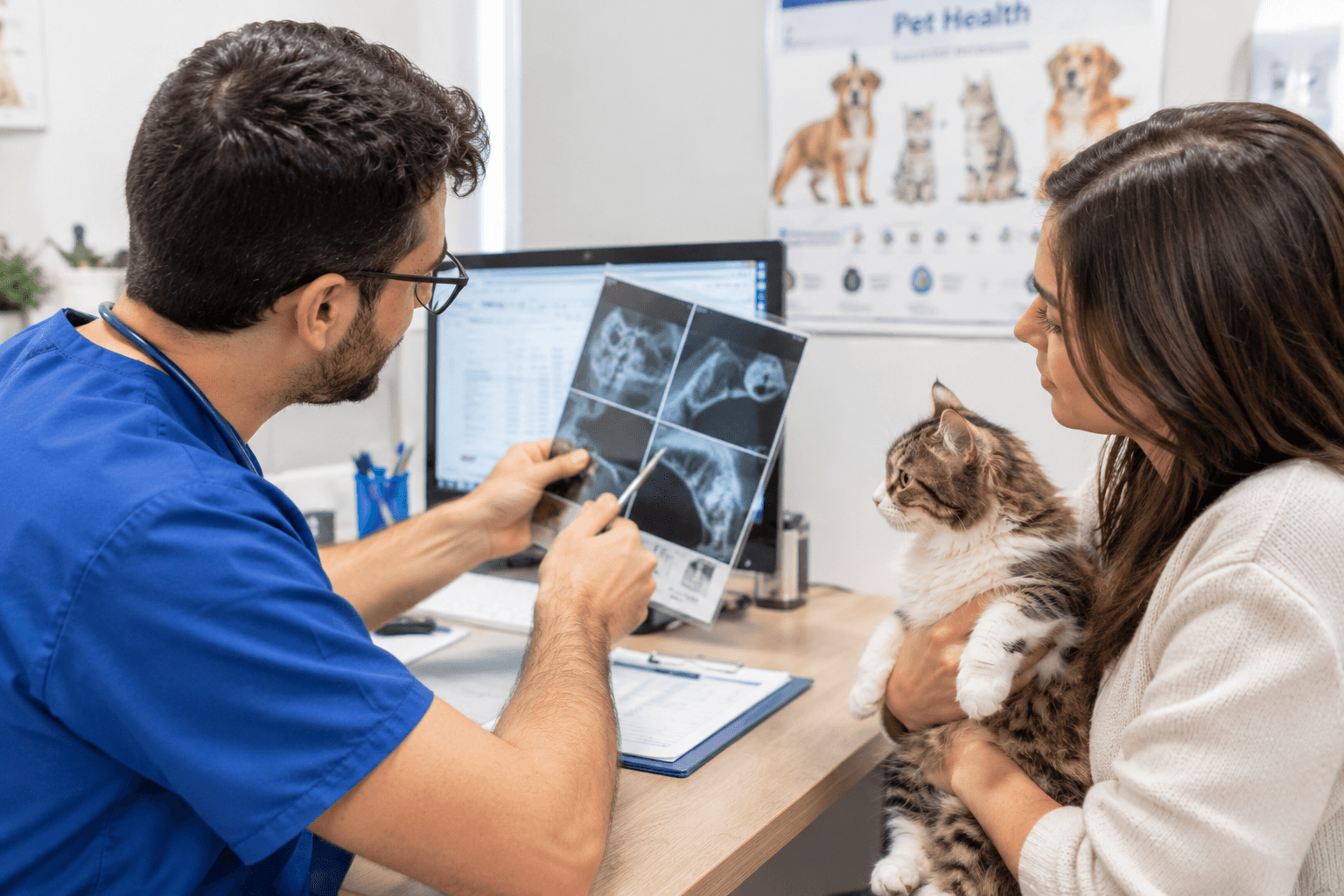
Have you ever sat up at midnight staring at your cat, wondering: is this sneezing normal, or do I need a vet? 🐱
Every pet parent has been there. That is exactly where a good veterinarian Q&A comes in: a place to ask honestly and get an answer that either reassures you or warns you in time.
In this reference guide, we’ve gathered the questions we hear most about cats and pet birds, and answered them in simple language, free of academic jargon. At SCOTY, we hear these questions every day, and we know there is a worried heart behind each one. 💛
Ask a Vet: Where to Start
Before we get into details, let’s agree on one golden rule: you know your companion better than anyone. You know when they sleep, eat, and play, and any change in those habits is the first sign worth noticing.
When Does Your Pet Need a Vet?
Imagine your cat is a silent employee who never complains, and you’re the only manager who notices that its performance has changed. Cats hide pain by nature. It’s a survival instinct inherited from their wild ancestors.
So don’t wait for your cat to “complain.” Watch for these signs, which should never be put off: 🚨
- Refusing food for more than 24 hours.
- Difficulty breathing, or breathing with an open mouth.
- Repeated attempts to urinate with no urine coming out, an emergency especially in male cats.
- Repeated vomiting, or blood in vomit or stool.
- Extreme lethargy or unusual hiding.
- Staggering or seizures.
Other things can simply be watched for a day or two, like an occasional sneeze or a slight change in appetite while energy stays normal. What matters is that you write down what you see, because your vet will ask.
The same principle applies to birds. Pet bird care starts with noticing small changes early, because birds hide illness even better than cats do.
Your Cat’s Body Language
Your cat talks to you all day long, with its body rather than its voice. And the way it sits is one of its clearest messages.
When it sits like a cozy loaf of bread, with its paws tucked in and calm eyes, it’s usually relaxed and feeling safe. You can read more in our guide to how a cat sits and what it means. 😺
But if it’s hunched with a tense body and half closed eyes for a long time, and it’s withdrawing from the family, it may point to pain or discomfort. That’s worth asking a vet about, though it doesn’t necessarily mean something serious.
Runny Nose and Sneezing in Cats
This is one of the questions we get most often. 🤧
The simplest explanation is that your cat has caught something like a “cold.” It’s usually a viral infection of the upper respiratory tract, and it’s especially common in kittens and in cats raised in crowded environments.
The full story on runny nose in cats, including causes and how to manage it, is covered in a dedicated article. Here, we’ll stick to what matters right away:
- An occasional sneeze: usually normal, like the ones we get after a bit of dust.
- Clear discharge with normal energy: keep watching, and keep the eyes and nose clean.
- Yellow or green discharge, inflamed eyes, loss of appetite, or fever: needs a vet exam.
And remember that human medicines are dangerous for cats. Paracetamol, for example, is toxic to them, so never give your cat any medication without a vet’s guidance. ⚠️
Prepare Your Questions Beforehand
The best consultation is the one you walk into prepared. Two minutes of preparation can save you thirty minutes of guesswork.
Before you call the vet, jot down:
- When exactly did the symptoms start?
- How are eating, drinking, bowel movements, and urination?
- Has anything changed at home, in the food, or in the litter?
- What vaccinations and medications is your pet on?
And if you’re feeling anxious, the app makes things simple: 🩺
- A complete online vet clinic: browse the doctors’ profiles, choose the one who suits your pet’s case, then book an appointment with the vet straight from the calendar.
- Photos and videos before the session: attach clear clips of your pet’s condition so the vet can review them before the call begins.
- A 30-minute call: enough time to ask everything on your mind without feeling rushed.
That turns a night of worry into a clear plan. In the next section, we move on to digestion and skin, two of the biggest worries for cat owners. 😻
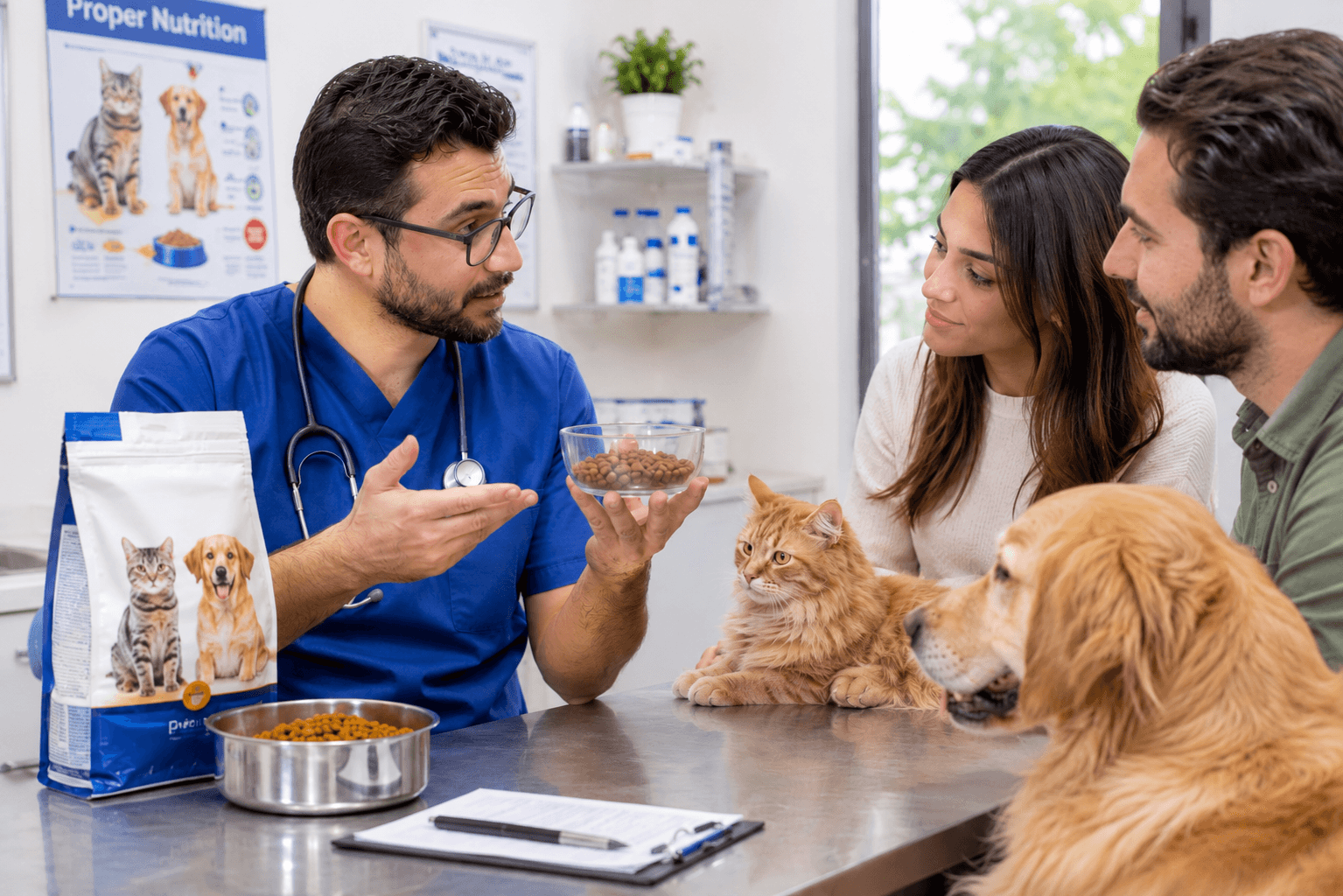
Cat Digestion and Skin FAQs
Now that we’ve learned to read the first signals from your cat, let’s move on to the questions we get most: your cat’s tummy and skin. 🐾
The digestive system and the skin are like mirrors of a cat’s health. When one of them is off, it’s often the first thing you notice, before any other symptom.
Causes of Diarrhea in Cats
You open the litter box in the morning and find your cat’s stool runny. The first question that crosses your mind: what did it eat? 😟
A fair question, because the causes of diarrhea in cats range from simple to serious. Picture its intestines as a sensitive factory: any sudden change in raw materials can throw the whole production line off.
The most common causes include:
- Switching food suddenly, without a gradual transition.
- Eating table scraps or things picked up off the floor.
- Intestinal parasites, especially in kittens.
- Stress from moving house, a new guest, or a new pet.
- Viral or bacterial infections.
- Intolerance to certain ingredients in food.
When is watching enough? If the diarrhea is mild, once or twice, and your cat is still eating, playing, and drinking as usual, observe it for a full day and keep water available at all times. 💧
When should you act right away?
- Diarrhea lasting more than 48 hours, or more than 24 hours in kittens.
- Obvious blood or mucus, or black stool.
- Diarrhea along with vomiting, lethargy, or refusing food.
- Signs of dehydration, such as dry gums or skin that doesn’t spring back quickly when gently lifted.
One important warning: don’t give your cat human anti diarrhea medicines. Some contain salicylates, which are toxic to cats. ⚠️
And never withhold water, because dehydration can be more dangerous than the diarrhea itself.
Gas in Cats: Normal or Not?
“My cat passes really smelly gas!” 😅 It makes us laugh, but it’s a legitimate question.
A small amount of gas is normal in any living creature. But if it increases and the smell changes, it’s wise to understand gas in cats from the root before the problem gets worse.
The most common causes:
- Eating too fast: cats swallow air along with their food, like someone gulping a fizzy drink. 🥤
- Milk and dairy: many people think milk is ideal for cats, but most adult cats can’t digest lactose well.
- Sudden food changes, or relying on low quality food.
- Flat faces: Persians and their relatives swallow more air while eating.
And here are some simple steps that ease the problem:
- Split food into small meals instead of one large one.
- Use a slow feeder bowl or a feeding toy to stretch out mealtime.
- Change food gradually over 7 to 10 days.
- Keep milk and fatty leftovers out of reach.
But if the gas comes with frequent diarrhea, vomiting, a swollen belly, or weight loss, it’s more than “passing gas” and deserves a vet exam. 🩺
Fungus and Hair Loss in Cats
Noticed a round, hairless patch near your cat’s ear or on its face? 🔍
The cause may be a skin fungus, and the common one is called “ringworm.” The name is misleading, since there’s no worm involved. It’s a fungus that feeds on the surface layer of skin and hair. It typically shows up as a round bald patch, often covered in light scales, with or without itching.
It’s more common in kittens, street cats, and long haired cats.
A point that matters to you as an owner: this fungus can spread to humans, especially children and people with weak immune systems. So wash your hands after handling your cat, and cut back on kissing and cuddling until a vet has examined it. 🧼
Also keep in mind that hair loss has many other causes, such as flea allergy, mites, or over grooming from stress. So don’t diagnose from appearance alone. The vet may use an ultraviolet lamp, microscopic examination, or a fungal culture to be sure.
As for cat fungus treatment, it takes patience and commitment, usually lasting weeks. It generally combines:
- An antifungal medication prescribed by the vet.
- A suitable medicated shampoo or topical wash.
- Regular vacuuming of the house and washing of bedding and covers.
The most common mistake is stopping as soon as the hair starts growing back. The fungus may still be alive, and the symptoms can return stronger. And never apply a human cream to your cat’s skin on your own, because it’ll lick it and swallow it. 🚫
If you spot a suspicious patch, don’t wait for it to spread. At SCOTY, you can photograph the area and attach it before the session, so the vet can review it and assess the case with you. And if your cat needs medication, you’ll receive an approved electronic prescription that you can download and fill online with ease, with no running between pharmacies with a stressed cat in a carrier. 📄
You can also book a consultation with the vet at a time that suits you, so you leave the call with a clear plan instead of guesses.
And after the world of cats, we now turn to small creatures with wings and big hearts: pet birds. 🦜
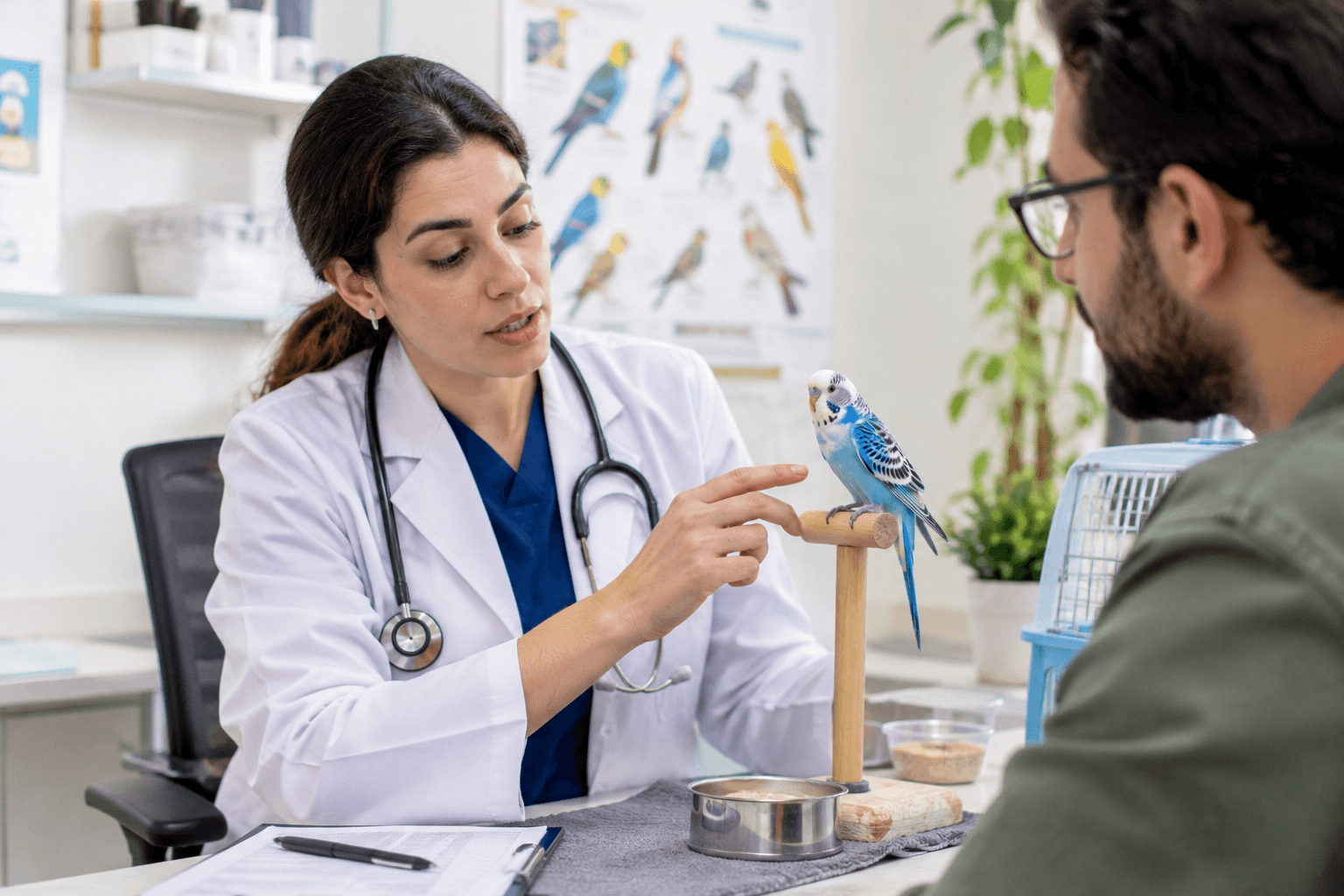
Pet Bird Care FAQs
A pet bird is every bit as loving and attached to you as a cat or dog, but it expresses its feelings in a completely different way. 🦜
The questions are different too. Birds are small, fast-metabolizing creatures, and a minor illness can turn into a real danger within a few days.
Pet Bird Care Basics
Imagine your bird’s cage is its entire home: bedroom, kitchen, and living room in one. That’s why pet bird care begins with choosing, cleaning, and setting up that home. 🏠
A spacious cage in a quiet, well-lit spot, away from direct drafts and the kitchen, makes a big difference.
The questions we get most often:
- Are seeds alone enough? No. A seed-only diet causes nutritional deficiencies in many birds. It’s better for pet bird care to include quality pellets or grains, fresh vegetables, and a little fruit, depending on the species.
- How much sleep does it need? Most parrots need around 10 to 12 hours of darkness and quiet. Too little sleep makes a bird irritable and weakens its immunity. 😴
- Does it need fresh water daily? Yes, clean water that’s changed every day, with bowls washed thoroughly.
And there are silent hazards in our homes that many people don’t know about: ⚠️
- Fumes from non stick cookware: when heated, they can release toxic fumes that kill birds within minutes, even from another room.
- Avocado, chocolate, and caffeine: toxic to birds, and should never be offered, even in small amounts.
- Incense, perfumes, and air fresheners: a bird’s lungs are extremely sensitive to strong smells.
Remember that birds are masters at hiding illness. In the wild they pretend to be well so they don’t become easy prey, and you may not notice your bird is sick until the illness is advanced.
Understanding Bird Body Language
Your bird doesn’t speak our language, but it talks all day long with its feathers, eyes, beak, and tail. 🪶
If you want to read its mood accurately, understanding bird body language is one of the strongest tools you have. It protects you from misunderstandings and helps you spot illness early.
Signs of comfort and happiness: 😊
- Soft beak grinding: usually means it’s relaxed and getting ready to sleep, like someone humming before drifting off.
- Standing on one leg: means relaxation and security.
- Fluffing feathers briefly, then shaking them out: a natural habit for cleaning and comfort.
- Regurgitating food and offering it to you: in some parrots, a sign of love and trust, however strange it may seem.
Signs of annoyance or warning: 😠
- Pupils rapidly widening and shrinking (“pinning”): can mean excitement, stress, or readiness to bite.
- Open beak with a hissing sound: “back off right now.”
- Lowered head with sharply puffed feathers: anger or fear.
Signs of illness that can’t wait: 🚨
- Feathers fluffed for a long time while the bird sits still and withdrawn: as if trying to conserve body heat.
- Tail bobbing with every breath: a sign of difficulty breathing that needs a vet immediately.
- Sitting on the cage floor: abnormal for most healthy birds.
- Sudden change in droppings’ color or consistency, or loss of appetite.
The more of these details you record in photos and video, the more you help the vet, since tail movement or breathing is hard to describe in words.
How to Tame Your Bird Safely
Did you reach toward your bird and it backed away? That’s perfectly normal. 🤚
With birds, trust isn’t forced but built, like a new friendship. Taming birds takes more patience and calm than any trick or gimmick.
Steps that help you win its trust:
- Sit near the cage daily and speak in a low, calm voice, without trying to touch it at first.
- Offer a favorite treat (a kernel of corn or a suitable piece of fruit) through the bars.
- Slowly place your hand inside the cage and let it approach on its own. Don’t chase it.
- Teach it to step up: bring your finger close to its chest and ask it to climb on gently, and reward it the moment it succeeds.
- Keep sessions short, 10 to 15 minutes, twice a day.
And a few things to avoid: 🚫
- Don’t grab the bird tightly or corner it.
- Don’t punish it if it bites. A bite is a message of fear, not hostility.
- Don’t barge into its space suddenly while it’s asleep or stressed.
How long it takes varies with species, age, and past experiences. It may be days for some birds and weeks or more for others. What matters most is respecting the pace that suits it.
Over time, you may notice something that worries you during training, such as a change in voice, feather plucking, or poor appetite. This is where an important feature at SCOTY comes in: after every consultation, the full case report is documented in your pet’s medical file inside the app. 📂
That means you can go back to every note and recommendation at any time, and nothing gets lost among messages and papers. This is especially useful with birds, because a record of how its condition changes helps the vet a great deal in spotting recurring patterns.
Now we come to the final part: how to make an online veterinary consultation a practical tool that serves you and your companion, whatever type they are. 💛
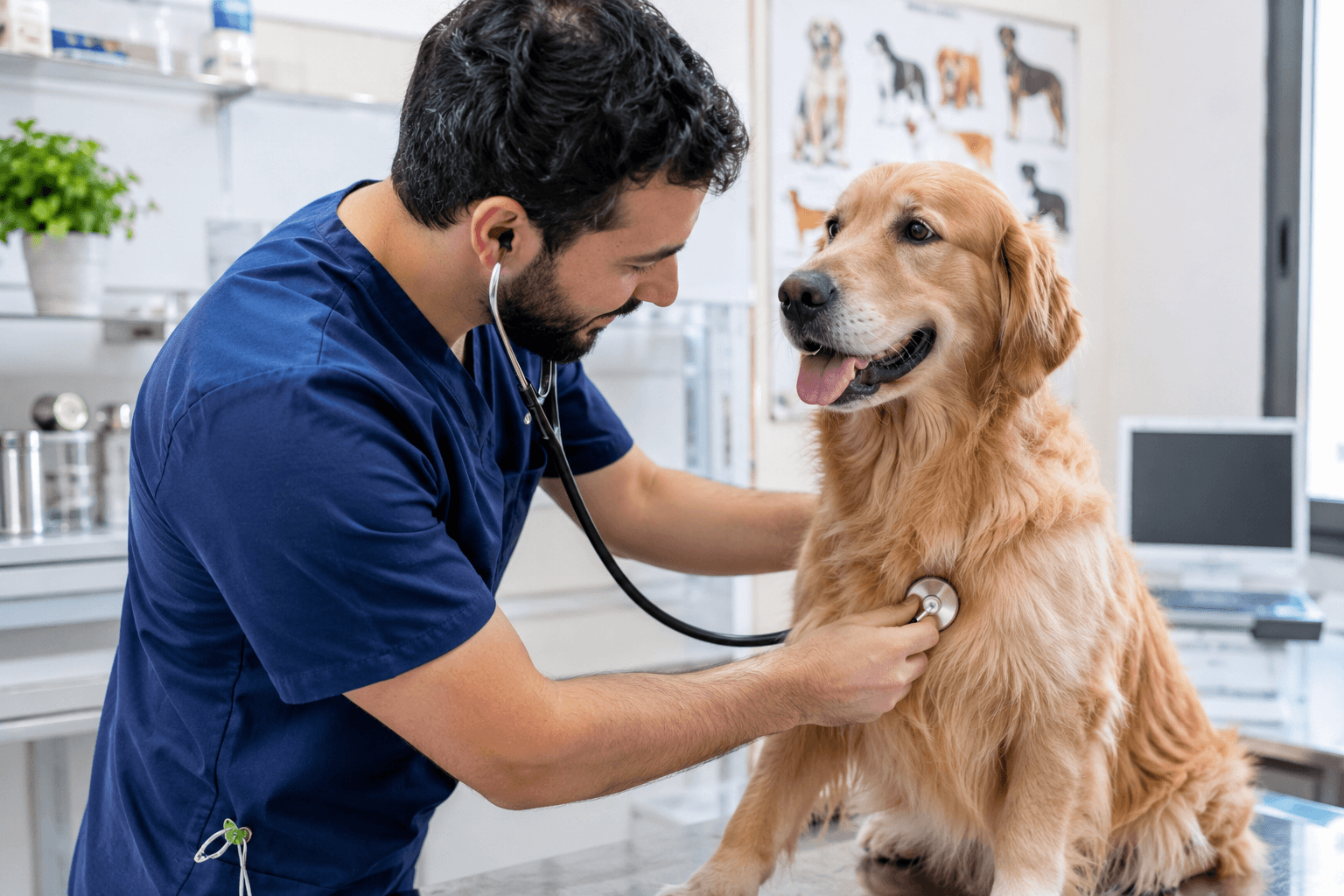
Online Vet Consultation Step by Step
We’ve reached the practical part: how do you turn everything you’ve read into a calm decision when something worries you about your pet? 💛
An online consultation isn’t a magic replacement for the clinic, but it’s a smart first step in many situations. We’ll show you when it helps and when it isn’t enough.
When Does Online Consultation Help?
Imagine having a doctor friend you can call and ask, “Should I wait or rush in?” That’s exactly the role of an online consultation. 📱
It suits you in these situations:
- Mild to moderate symptoms you want assessed, like sneezing, passing diarrhea, or a skin patch.
- Questions about nutrition, behavior, and daily care.
- Follow up on a condition that’s already been diagnosed.
- A second opinion before a treatment decision.
- Getting your cat or bird ready for a clinic visit after knowing what’s needed.
It isn’t enough on its own in these situations: 🚨
- Difficulty breathing, or open mouth breathing.
- Repeated attempts to urinate with no urine coming out.
- Seizures, collapse, or loss of consciousness.
- Severe bleeding, serious injury, or confirmed poisoning.
In these cases, head straight to the nearest veterinary emergency clinic, because physical exams, lab tests, and X-rays can’t be done through a screen. An online consultation assesses and guides. It doesn’t replace emergency care.
How do you get the most from SCOTY, step by step? 🩺
- Choose your vet: browse the doctors’ profiles and pick the best fit for your pet’s case.
- Attach what you see: clear photos and videos of your pet’s condition before the session begins, so the vet can review them in advance.
- Talk without rushing: a half-hour call to discuss everything.
- Keep the outcome: the case report is saved in your pet’s medical file inside the app.
Finding a Bird Veterinarian
Here’s a point many people overlook: birds are a specialty of their own within veterinary medicine. 🦜
Their anatomy, lungs, diet, and medications differ from those of cats and dogs. A dose that suits a cat could be fatal to a parrot. That’s why it’s best for your bird to see a bird veterinarian with real hands-on experience in avian care.
How do you choose the right vet?
- Read their profile and look at their specialty and years of experience.
- Make sure birds or other exotic pets are among their interests.
- Pick a time slot from the calendar. Birds tend to be more active and show clearer symptoms during daytime hours.
And remember that birds hide illness until the last moment. Don’t wait until your bird looks very sick. Any small change in droppings, appetite, or vocal activity deserves a question early, and attentive pet bird care means acting on those small changes.
A Free Week of Follow Up
The hardest moment after a consultation isn’t before it, but the night after: “Is the medicine working? Is this symptom normal?” 🌙
That is exactly when follow-up proves its value. After your session, SCOTY gives you:
- Free chat, available around the clock for a full week, to ask about any development in your pet’s condition.
- Another follow-up call, free of charge, to review your pet’s progress and adjust the plan if needed.
- An approved electronic prescription you can download and fill online with ease, if your pet needs medication.
This means you’re not left on your own once the session ends. The vet stays with you through the first days of treatment.
Tips for following up smartly: 📝
- Record medication times and any change in eating and activity.
- Film the symptoms if they recur, then send them in the chat.
- Don’t stop medication on your own, even if your pet seems fine.
- Ask the vet which signs mean a clinic visit is needed.
Summary and Quick Checklist
If we had to sum up this whole guide in one minute, these are the key lessons: ✨
- Observe before you panic: you’re the first to notice any change in your pet.
- Know the red flags: difficulty breathing, inability to urinate, long refusal of food, and extreme lethargy.
- Never give human medicines: many are toxic to cats and birds.
- Cats hide pain, and birds hide it even more: so don’t wait for advanced symptoms.
- Take notes and photograph the condition: it’s more accurate than describing in words.
- Make the vet your partner: not a last resort.
And if you’re not sure what your next step should be, the best time to ask is now. Book your consultation with the vet at a time that suits you, from home and right beside your pet. 🐾
An early question costs you nothing, while delay may cost your pet a great deal. And you can always schedule an appointment with the vet whenever you feel you need help.
Your pet trusts you, and today you’re better prepared for them. 😻🦜